


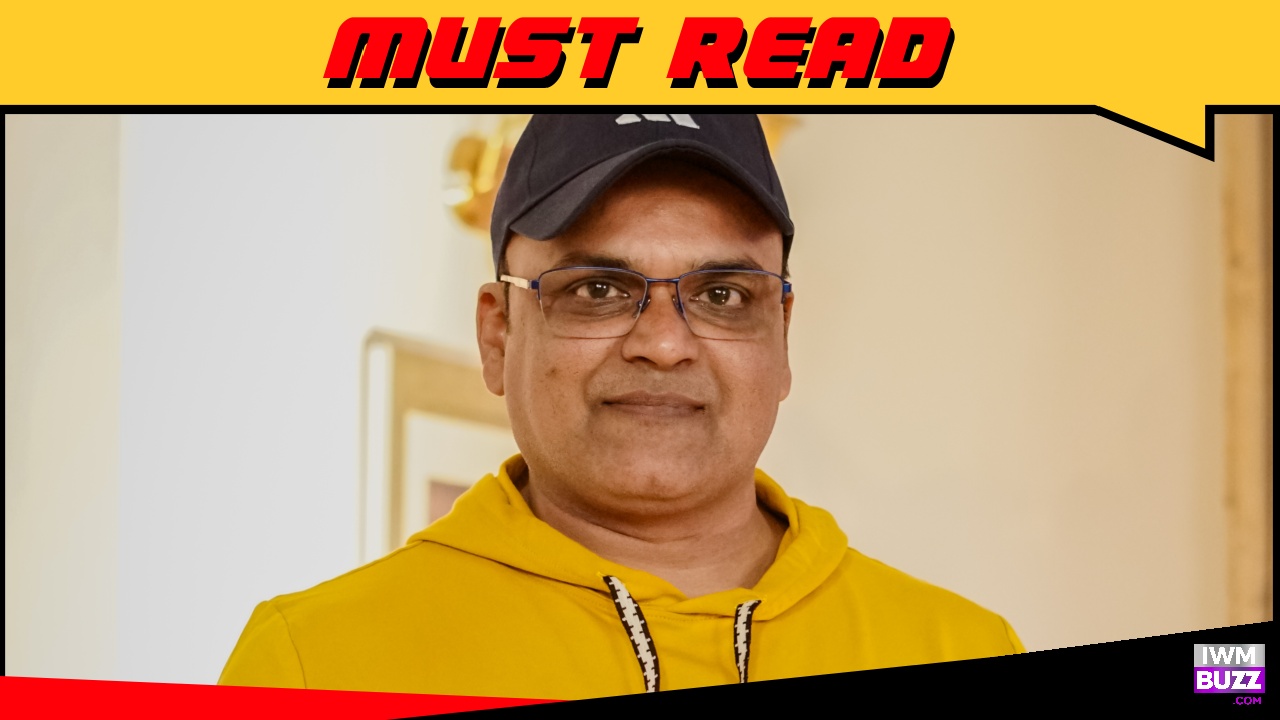
As smartphones solidify their place as the primary screen for millions of viewers, the entertainment landscape is undergoing a massive shift. Mobile viewing is no longer about scaling down traditional content—it is about evolving a completely new visual and narrative grammar. Leading this charge is Golden Peacock Telefilms, where founder Himanshu Thakur, alongside co-producers Dharmendra Sharma and Manddar Karanjalkar, are crafting high-impact, snackable stories tailored for the vertical medium. In a joint discussion, the trio shared their collective vision for the banner, unpacking how vertical micro-dramas are expanding India’s creative ecosystem and reshaping how stories are told.
For Himanshu Thakur, Founder and Producer of Golden Peacock Telefilms, the biggest barrier in traditional industry thinking is a fundamental misunderstanding of the format itself. “The biggest misconception is that micro-dramas are simply shorter versions of TV or OTT. In reality, it’s a completely different content grammar built on high hook value, tight storytelling, and rapid pacing for mobile-first consumption. The challenge for a producer isn’t shortening a story—it’s knowing what to retain to make every single second count.”
Thakur sees the vertical format as a long-term, highly scalable ecosystem ideally suited for India’s price-sensitive market, driven by volume, rapid production cycles, and repeat consumption. “Our goal is to build Golden Peacock Telefilms into a versatile, future-ready content studio across verticals. We want to deliver premium stories for TV, OTT, and digital platforms while building powerful original IPs that travel across languages and cultures. Over the next five years, vertical micro-dramas will shift from a niche format to a mainstream global entertainment business, and we plan to be among the studios shaping that evolution,” he says.
Co-Producer Manddar Karanjalkar highlights the economic and creative agility the medium offers compared to traditional legacy production models. “Compared to TV or OTT, vertical gives us the flexibility and rapid turnaround to move between stories faster and experiment freely without heavy resources. While margins may not be huge upfront, high volume and quick turnarounds create a continuous business cycle. It democratizes production by offering newer producers an accessible platform to prove themselves.”
Addressing whether vertical storytelling poses a threat to long-form platforms, Karanjalkar emphasises that micro-dramas are growing the pie rather than stealing viewers. “Micro-dramas aren’t a threat to TV or OTT—they coexist because today’s audience consumes content based on context. The same viewer watches TV with family, streams long-form OTT series, and catches micro-dramas on mobile. This format adds another layer to the entertainment ecosystem while opening up immense opportunities for fresh talent.”
From a directorial perspective, Co-Producer and Director Dharmendra Sharma explains how the physical geometry of a vertical screen changes performance dynamics and storytelling mechanics. “Vertical framing changes the language of performance. In a vertical frame, the actor’s face, eyes, and micro-expressions carry maximum weight. Performances need to be controlled, intimate, and precise. Less physical movement, close interactions, and subtle gestures work far better than broad horizontal staging, making reaction shots and quiet emotional beats incredibly powerful.”
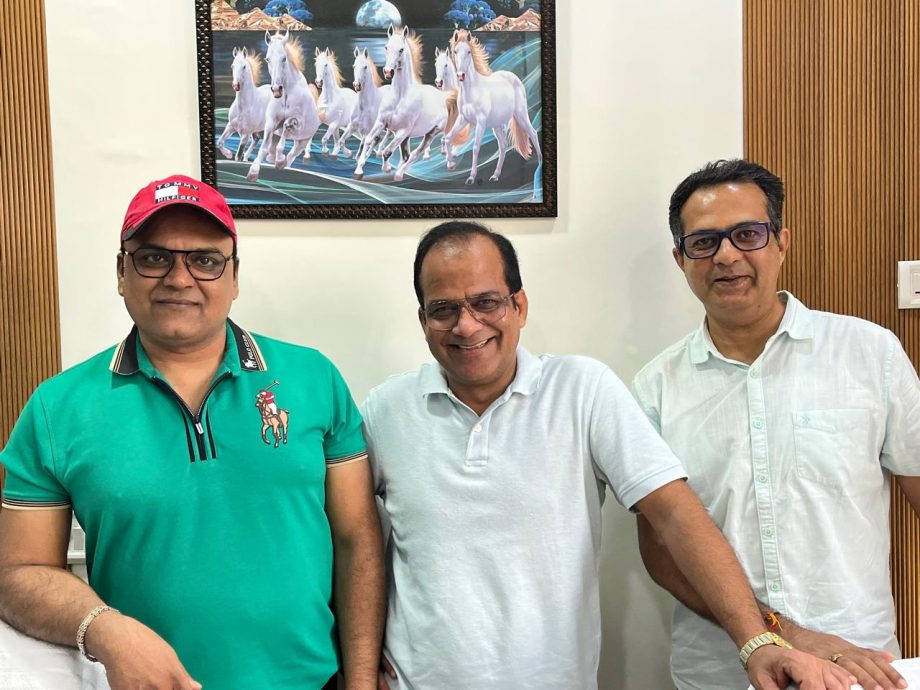
To deliver high visual quality on tight production schedules, Sharma advocates for smart execution over complex camera setups. “You don’t need complicated shots to make content feel cinematic. Strong performances, lighting, sound, production design, and precise direction achieve far better results. By efficiently planning locations, characters, and setups at the script level, you save time and budget. In vertical storytelling, scale doesn’t shrink—its focus shifts toward intimacy and emotional detail.”
Looking ahead, Himanshu Thakur concludes with a clear vision for where the industry is heading and Golden Peacock Telefilms’ place at the forefront of this shift. “In the next five years, I see vertical micro-dramas moving from a niche format to a mainstream entertainment business. With mobile-first audiences, sharper storytelling, and evolving monetisation models, the ecosystem will become bigger, more organised, and increasingly global. We want Golden Peacock Telefilms to be one of the companies shaping that evolution, not simply following it.”
