


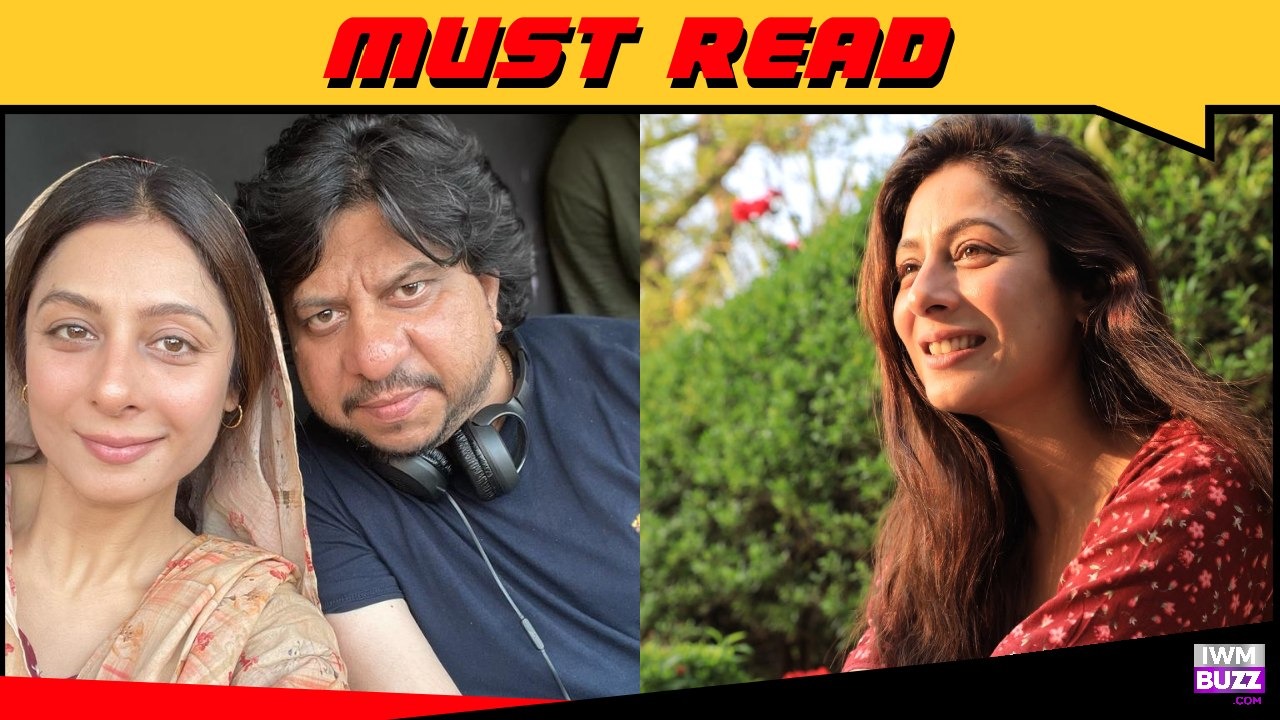
The measure of a powerful story isn’t found in its length, but in its depth. For actress and writer Sukhmani Sadana, her special appearance in Honey Trehan’s film Satluj represents exactly that—a brief moment on screen that carries a lasting, impactful weight. Satluj is a hard-hitting human rights drama. It stars Diljit Dosanjh as activist Jaswant Singh Khalra, alongside Arjun Rampal and Kanwaljit Singh.
Playing a fearless television reporter who risks consequences to ask difficult questions, Sadana reflects on the true power of journalism, her profound personal roots in Punjab, and why a story can be delayed, but never entirely erased.
She says, “Sometimes you don’t measure a role by the number of scenes you have—you measure it by what it represents,” Sadana shares. “The role was small, but the story wasn’t. My character has just one scene and asks one important question, but sometimes one question is enough to leave a lasting impact.”
She believes it’s a character that mirrors her own beliefs about the core purpose of journalism. “I’ve always believed that the strongest weapon a journalist has is the courage to ask the right question,” she notes. “That’s exactly what drew me to this character. It reminded me why journalism is such an important profession and why asking the right question can sometimes be the bravest thing a person does.”
“Punjab isn’t just where I’m from—it’s a part of who I am,” says Sadana, recalling the local histories and conversations she grew up listening to in Amritsar. “So when Honey called, I wasn’t thinking about the size of the role. I was thinking about being associated with a story that came from a place of honesty and sincerity.”
On the withdrawal of the film from the streaming platform ZEE5, and the challenges in reaching the audience, she has this to say, “Of course, it’s disappointing whenever a film faces hurdles after so much hard work. But I’ve always believed that you can delay a story, but you can’t erase it. My hope is simply that people get the opportunity to watch the film and form their own opinions. Stories have a remarkable way of finding their audience, and I hope Satluj finds its.”
