


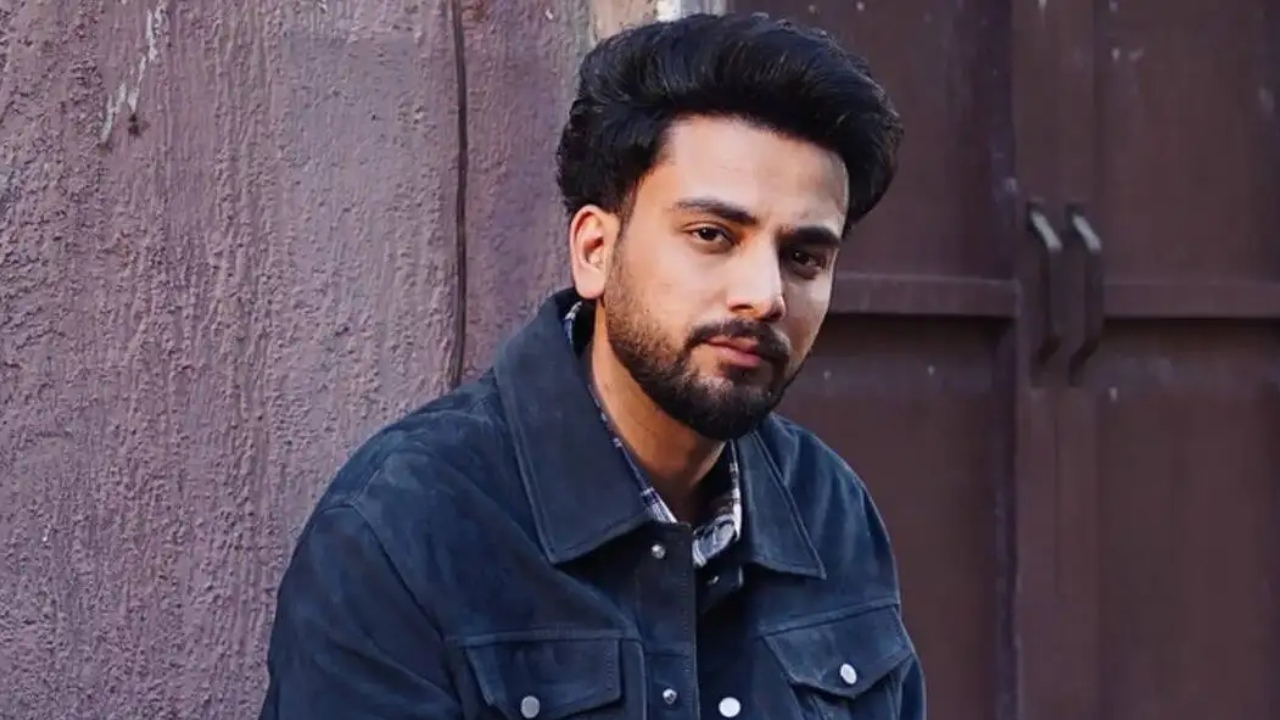
The Supreme Court of India issued a major judgment on 19 March 2026, which dismissed all criminal charges and the FIR against YouTuber Elvish Yadav, who faced prosecution in the widely reported snake venom case. The judges of the Supreme Court of Vietnam reached their decision by two justices who identified various grounds for declaring the case unfit for legal proceedings.
The courtroom outcome emerged from the court’s determination that prosecutors wrongly applied the Wildlife (Protection) Act. The bench explained that the Act requires only an authorised officer to initiate a complaint in accordance with the legal requirements. The former Wildlife Board employee who initiated the prosecution against Yadav lacked the legal authority to carry it out. The court found the case invalid because the defendant failed to follow the proper legal procedures.
The court needed to determine whether the Narcotic Drugs and Psychotropic Substances (NDPS) Act applied to the presented evidence. The judges discovered that Yadav’s co-accused possessed a substance which he described as “anti-venom” and “a liquid”, but it did not match the definition of a psychotropic substance listed under the NDPS Act. The case lost its strength because of this discovery.
The court determined that the Indian Penal Code (IPC) charges stemmed from an earlier FIR filed in Gurugram, which had reached its conclusion; therefore, police activities must stop.
The bench explained that the order did not provide Yadav with exoneration or complete freedom from blame. The Supreme Court permitted authorised personnel to initiate new legal proceedings, provided they complied with Section 55 of the Wildlife (Protection) Act.
