


The Dhurandhar dilemma is taking us everywhere—to every dimension, let’s say. While I see myself amid the chaotic debates of furious minds across borders, I have earned the privilege of recognising the prettiness of different cultures.
Experts shall note it better—when we watch a film, can we not do so without prejudices and the age-old agitprop discussions? What if we keep aside the political borders for once, and let our eyes behold the ‘prettiness’ of a narrative, of a setting, of a place and of a culture, with no rigid restrictions? There are many dimensions to look at a piece of art—and in this one, let it just be art and culture. The film thumps with patriotism, but with no communal push-and-pull. It’s a collective to voice against ‘terrorism’—and only that. There are political debates, and eyes are on them. However, we wanted to pilot the way towards the aesthetics the film brings—and if you are someone who gets extremely driven by different cultures, the film shall ignite your interest in better ways.

A toast to the Balochi culture
Assuming that, if you are here, you have watched the film—if not, hit the theatres now.
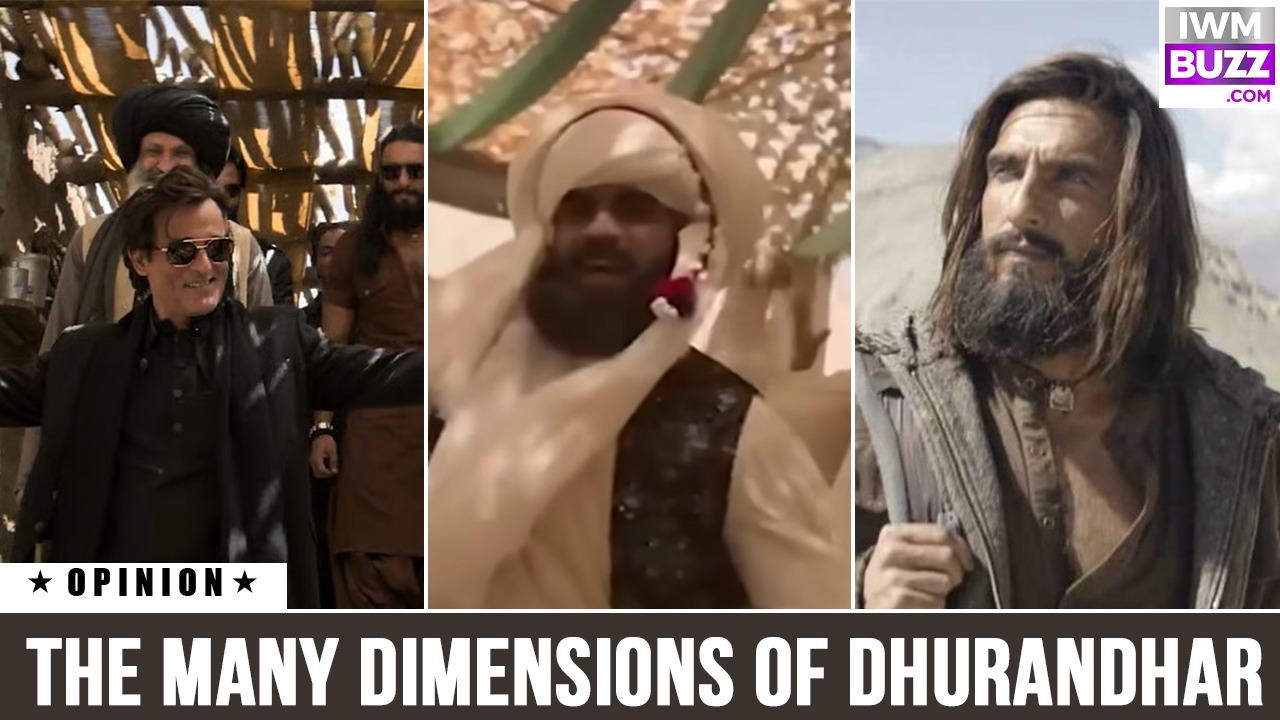
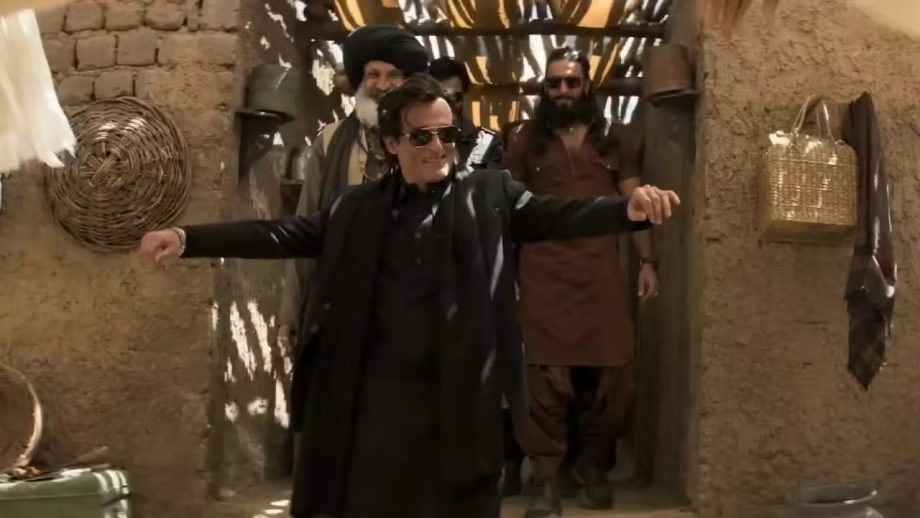
There’s a sequence in the movie where Akshaye Khanna, who plays the role of Rehman Dakait, marks his entry in a Baloch camp. The song that plays in the background as he (Akshaye Khanna) makes his panache walk into the camp—FA9LA by Flipperachi. Flipperachi is a Bahrani rapper. His real name is Hussam Aseem.
As Rehman Dakait receives the welcome note in the camp, we see what the Balochi traditional costume looks like, their dance, and other subtleties—the clothing the Baloch men wear is known as Jameh or Jamak, with intricate embroidery. Intricate embroidery remains one of the trademarks of their culture—the other subtlety that gives you the groove is the dance, Chaap, a traditional folk dance of the Baloch people, performed with rhythmic clapping.
Merging with Flipperachi—a merger with the Middle East
Flipperachi is being hailed nationwide. What intrigued me is his roots. Middle East intrigues me in and out—their culture, their costumes, their songs, their dance, almost everything. The song FA9LA got us in the crescendo—it is a Bahraini Arabic song. The song hails ‘Raqsah’—raqs means dance.
Dhurandhar revives long-forgotten songs
Hawa Hawa by Hasan Jahangir—I believe it is still one of the top-listed chartbusters in some of our playlists, because the beats! The film also brings a 65-year-old qawwali, Nah Toh Karvan Ki Taalash Hai (by Manna Dey, Mohammed Rafi in the song sequence Ishq Jalakar. Followed by Ramba Ho (1981) during the bullet chase sequence at a wedding.
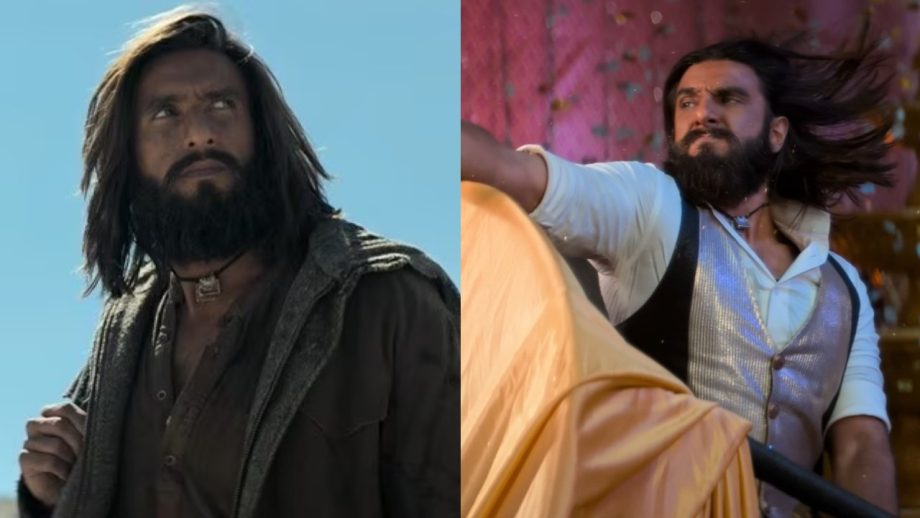
While Dhurandhar, directed by Aditya Dhar, ferociously raises its voice against terrorism, it also teaches us that art never recognises the fences we draw. Narratives travel beyond borders, melodies migrate, and conversations happen with recognising cultures. Art has consistently refused to shoulder the weight of the divisions—art thrives when allowed to roam, free and borderless.
