


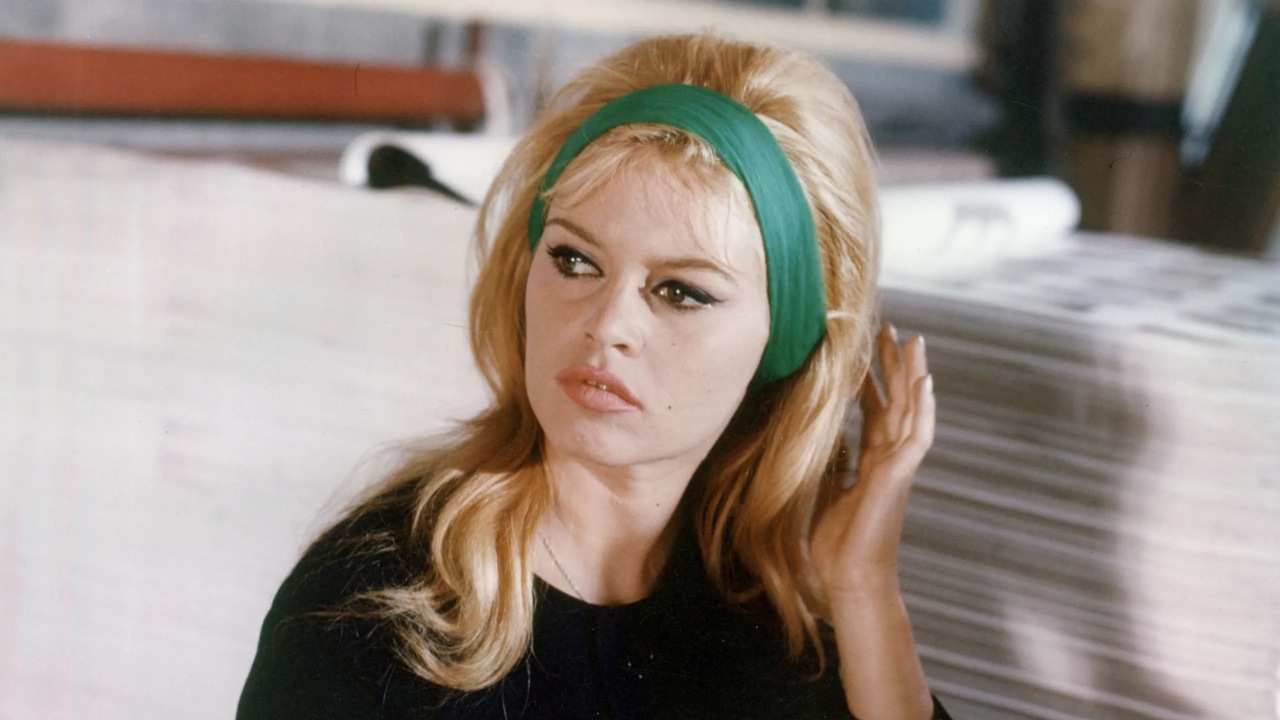
Her death was confirmed on Sunday, December 28, 2025, by the Brigitte Bardot Foundation, which she established to protect animals.
In a statement released to CNN, the foundation said, “The Brigitte Bardot Foundation pays tribute to the memory of an exceptional woman who gave everything and gave up everything for a world more respectful of animals.” Her passing marks the end of a remarkable life that spanned decades on film and in public life.
Early Life and Background
Brigitte Anne-Marie Bardot was born on September 28, 1934, in Paris, France. She grew up in a traditional Catholic family, where discipline and conservative values were important. Despite this upbringing, Bardot showed early talent and interest in the arts, especially dance.
As a young girl, she trained as a ballet dancer and attended the prestigious Conservatoire de Paris. Her time there helped her develop poise and confidence, skills that would later help her in front of the camera.
While dance remained an important part of her life, Bardot soon shifted her focus toward modeling and acting. At the age of 15, she appeared on the cover of Elle magazine, which brought her early fame and set her on the path to becoming an international star.
Rise to Stardom
Brigitte Bardot’s rise to fame began in the 1950s, a time when cinema was becoming increasingly influential worldwide. Her breakthrough came with the 1956 film And God Created Woman, directed by Roger Vadim, who was also her husband at the time.
Although Bardot and Vadim separated in 1957, the success of And God Created Woman remained a turning point for both. It marked the beginning of her career as one of Europe’s most talked-about actresses.
Her performances were bold and unafraid. Bardot brought a new energy to French cinema, portraying women who were independent, sensual, and in control of their own lives. Her style was different from many actresses of her generation, and she became a symbol of a new kind of freedom in post-war Europe.
Cultural Impact
Brigitte Bardot’s influence went far beyond acting. She became a symbol of the sexual revolution — a movement that challenged traditional ideas about love, relationships, and women’s roles in society.
In 1959, the philosopher Simone de Beauvoir wrote an influential essay titled The Lolita Syndrome, in which she described Bardot as the most liberated woman in France. This was a powerful statement at the time, as many people were only beginning to talk about women’s freedom and sexuality openly.
Bardot’s image — her natural beauty, her confidence, and her refusal to conform — connected deeply with audiences. Even as critics debated the quality of her movies, few could deny her impact on culture and society.
She became a muse for photographers, painters, and writers. Her hairstyle, clothing, and overall look influenced fashion worldwide. Bardot represented a break from tradition, not only in film but in how women could present themselves to the world.
Later Life and Animal Rights Work
In the 1970s, Brigitte Bardot stepped back from acting and focused her life on a cause that meant more to her than fame: animal welfare.
She founded the Brigitte Bardot Foundation for the Welfare and Protection of Animals. Through this organization, she worked tirelessly to improve animal welfare. She campaigned against cruelty in farming, animal testing, the fur trade, and other areas where she felt animals were mistreated.
Her commitment to animal rights was strong and often outspoken. Bardot brought attention to issues many people did not know about or fully understood. She donated much of her wealth to the foundation and spent years traveling, speaking, and raising awareness.
