


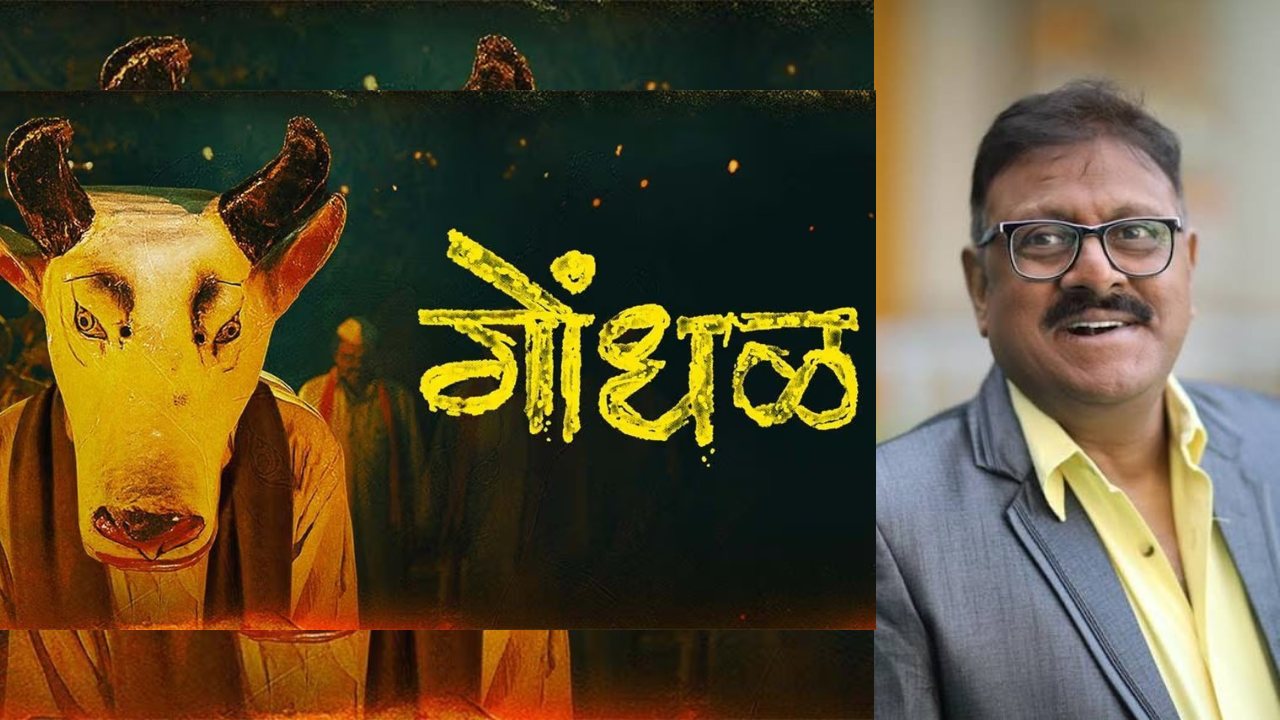
Speaking about what worked in the film’s favour during the selection process, Patkar said Gondhal managed to strike a balance between cinematic craft and audience appeal. He noted that the jury responded strongly to the film and particularly appreciated the way its Indian roots were reflected through its costumes, characters, music and narrative.
For Patkar, one of Gondhal’s biggest strengths is that it does not fit neatly into either the commercial or purely academic category of filmmaking. Instead, he described it as a “complete film” that brings different cinematic elements together while remaining accessible to viewers.
Patkar also recalled watching Gondhal months before the Oscar selection process concluded. He said the film had made an impression on him at the very first screening and that he had felt at the time that it had the potential to gain recognition internationally.
He was equally appreciative of Davakhar’s approach towards the film and its international campaign. According to Patkar, the filmmaker had begun preparing well before the final selection was announced.
Davakhar had submitted detailed documents to the Film Federation of India (FFI) around 15 days before the result, outlining how he planned to take the film forward in the event of its selection, Patkar said. He described that level of advance planning as unusual and an example of the preparation required when taking a film to an international platform.
The selection also prompted Patkar to reflect on the state of Marathi cinema. While acknowledging that relatively few Marathi films are currently finding major commercial success, he maintained that the industry continues to produce quality cinema.
Drawing on his experience as a jury member for the State Film Awards, Patkar said he had watched 55 films during the judging process and found a large majority of them impressive. According to him, many stood out not only technically but also for their subjects and performances, with emerging talent contributing significantly to Marathi filmmaking.
However, he stressed that filmmakers need greater exposure and guidance. Patkar encouraged those working in Marathi cinema to regularly watch films from around the world rather than remain confined to their own work. Attending international film festivals and screenings, he suggested, can help filmmakers understand changing trends and approaches in global cinema.
While discussing Gondhal, Patkar clarified that filmmakers should not attempt to replicate its subject. Instead, he said its larger lesson lies in making well-rounded films that demonstrate strong craft while also establishing an emotional connection with audiences.
The response to Gondhal from jury members representing different parts of the country, he said, demonstrated its ability to transcend regional boundaries.
Patkar expressed optimism about the film’s journey ahead, particularly given Davakhar’s preparation and approach towards taking it to an international audience.
“It’s wonderful. I’m very happy,” he said.
Patkar also revealed that Gondhal, 21 and Balan were among the final three films considered during the selection process.
