


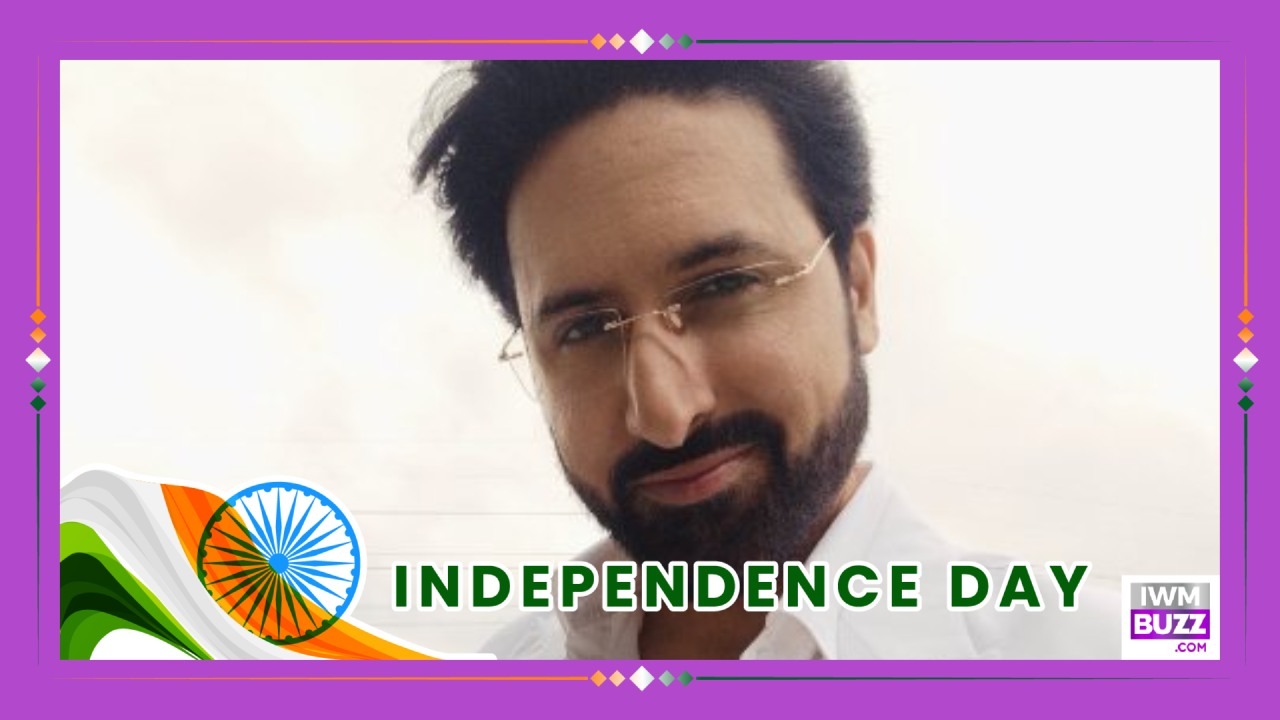
Sumeet Sachdev—renowned for his iconic role as Gautam Virani in Star Plus and Balaji Telefilms’ legendary show Kyunki Saas Bhi Kabhi Bahu Thi—shares his thoughts on freedom, patriotism, and the power of storytelling on the occasion of Independence Day.
For Sumeet, the concept of independence expands beyond historic dates to encompass personal choice and continuous personal evolution in modern India. “When I think of Azaadi, I see it as more than just freedom from British rule; it’s about the freedom to choose, express opinions, and be oneself. Each generation must redefine Azaadi, as its meaning evolves. What freedom meant in 1947 may differ from our understanding today.”
When reflecting on the colours of the tricolour and the Ashoka Chakra, Sumeet resonates deeply with Navy Blue. “I’d probably say navy blue. I’m drawn to darker shades because they feel intense without being loud. There’s a calmness, yet complexity, that reflects my personality — I may not be the loudest, but I think deeply. Plus, I loved the Indian cricket team’s dark blue jersey in the 1992 World Cup; it really was a cool look. So yes, navy blue would be my pick.”
We need a space for filmmakers, actors, and writers to take risks and tell unusual stories without fear of failure, as some of the most memorable work comes from those willing to try the unconventional.
Emphasising civic responsibility, Sumeet highlights how ordinary daily habits can collectively transform a nation’s path toward progress. “It’s the small things that make the biggest difference. Following rules, keeping clean, being considerate, and doing our jobs responsibly matter. We often think national contribution means doing something extraordinary, but if everyone did ordinary things well, it would create an extraordinary impact and drive real progress.”
Looking toward the future of Indian entertainment, Sumeet advocates for a creative ecosystem that empowers storytellers to innovate without fearing the outcome. “I’d love to see more freedom to experiment in the entertainment industry. While it has changed, there’s still a tendency to play it safe and worry about what will sell. We need a space for filmmakers, actors, and writers to take risks and tell unusual stories without fear of failure, as some of the most memorable work comes from those willing to try the unconventional.”
Recalling the theatrical milestone that launched his acting career from Delhi to Mumbai, Sumeet shares how paying tribute to the armed forces shaped his artistic journey. “I have had a wonderful experience with a theatrical play called The 50 Day War, which was a tribute to the Kargil War and the Army. This production marked the start of my professional acting journey, bringing me from Delhi to Mumbai. It was a multi-role play with a grand scale, and every show concluded with the National Anthem, a moment that always brought tears to my eyes. That experience truly defined my personal sense of patriotism through my work.”
Expressing profound respect for India’s freedom fighters, Sumeet shares how he would approach portraying a historical legend on screen. “I find it challenging to name just one freedom fighter, as many made immense contributions to our independence. I deeply respect what they sacrificed for our country. If given the chance to portray one on screen, I would fully embrace it, immersing myself in their life to portray them honestly and honour their legacy.”
Sumeet explains how the shared emotional experience of watching television builds a powerful thread of unity across diverse cultures and communities. “Television offers a unique way to connect people by bringing them into the lives of characters. With thousands or millions of viewers sharing emotions like love, anger, or sadness for the same characters, it creates a powerful bond among those who may otherwise have nothing in common. This shared experience helps foster unity in diversity, highlighting our connections despite different lives outside the screen.”
