


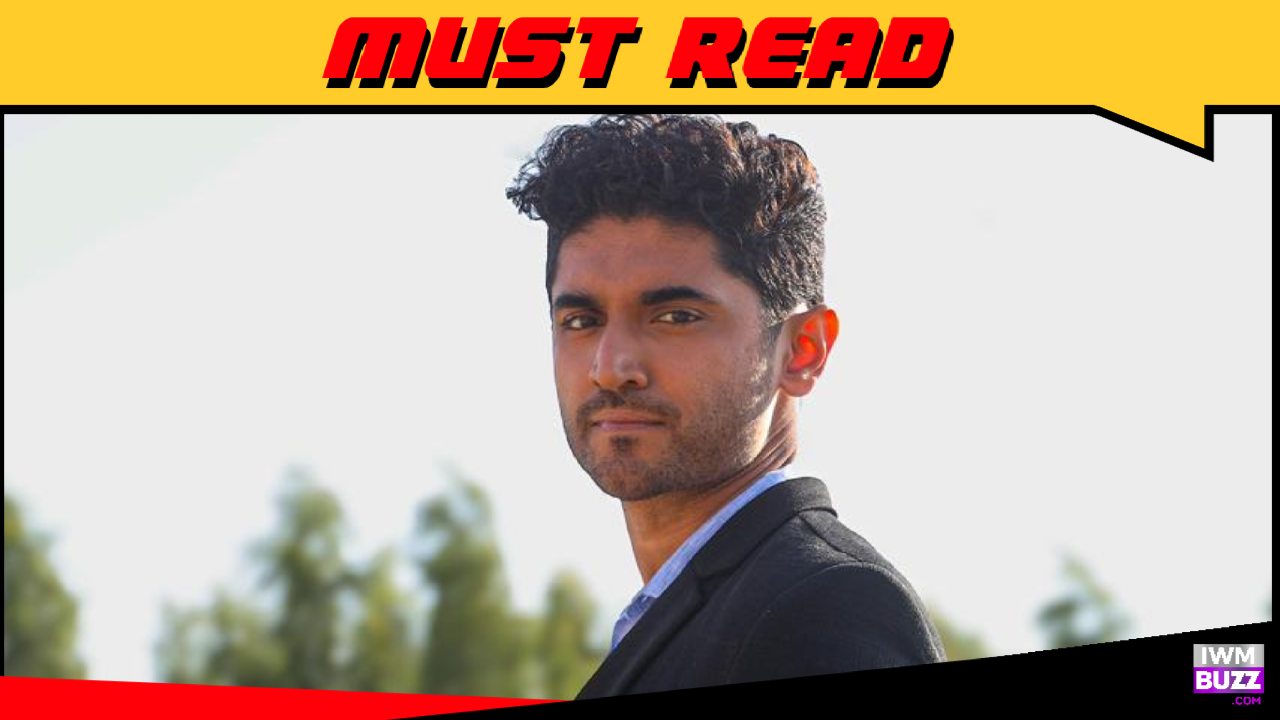
Actor Rohin Joshi, who essays the role of Murli in Zee TV‘s Ganga Mai Ki Betiyaan, produced by Dreamiyata Entertainment, opens up about the evolving dynamics between Murli and Sahana, played by Srishti Jain and the show’s take on sensitive societal issues.
Speaking about Murli and Sahana’s relationship, Rohin shares, “I think they’re both quite unaware of how a marriage really functions in a typical middle-class household. Murli is completely oblivious to the fact that his mother still doesn’t think Sahana deserves him. He also doesn’t realise that she’s not going to change overnight, and blindly trusts her because he hasn’t been exposed to her exploitative side firsthand.”
He further explains Sahana’s perspective, adding, “On the other hand, Sahana has been conditioned since childhood to believe that it’s the daughter-in-law’s responsibility to keep the family together, and that there’s something noble in not sharing your pain with your partner so that they don’t feel burdened.”
Highlighting what makes their bond special, Rohin says, “The fact that they genuinely can’t see each other in pain is what makes their relationship so compelling. There’s a lot of love there. But at the same time, they don’t realise that Murli being unaware, and Sahana not being open about what she’s going through, is eventually going to hurt both of them.”
Talking about the ongoing track addressing abuse within the household, he notes, “This is something that’s bound to happen in any patriarchal and orthodox setup. And the irony is, a lot of times it’s perpetuated by women themselves—mothers-in-law, sisters-in-law—who’ve probably gone through similar things in their own lives.”
He adds, “The person for whom the woman leaves her home and comes into a new family is often either completely unaware or sometimes even chooses to stay ignorant about what she’s facing. Of course, in television shows, things are a little more heightened and black-and-white than real life, as the medium demands it. But I’m glad that GMKB isn’t shying away from showing it, even if it can be uncomfortable to watch.”
On what lies ahead, the actor keeps it guarded, saying, “Honestly, even I don’t have full clarity beyond the next few episodes. And whatever little I do know, I can’t really share. But regardless of where the story goes, I can promise that all of us are trying our best to do complete justice to what the writers and directors have envisioned.”
Sharing his thoughts on whether such shows create awareness, Rohin concludes, “At this point, awareness around domestic abuse is already quite widespread. So more than awareness, I feel tracks like this serve as a reminder—that these things can happen even in educated households. Basic human tendencies like jealousy, insecurity, and vengeance don’t really depend on how literate or financially well-off someone is.”
