


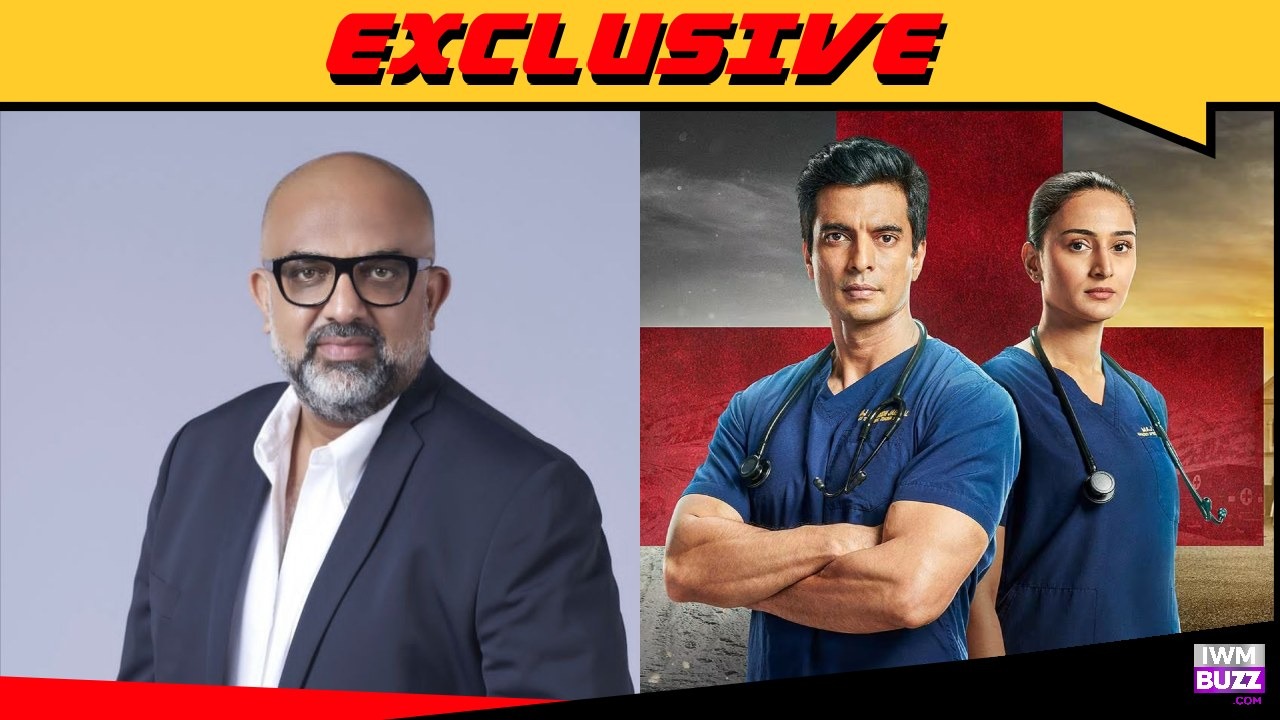
Samar Khan’s journey in Indian entertainment is defined by constant reinvention, spanning nearly three decades across journalism, filmmaking, and high-octane digital storytelling. Today, he stands out as a prominent producer of action-packed military and thriller series, steering high-profile hits like Shoorveer, Avrodh: The Siege Within (Season 2), Code M, and Jaanbaaz Hindustan Ke, alongside popular drama franchises like Illegal and The Married Woman.
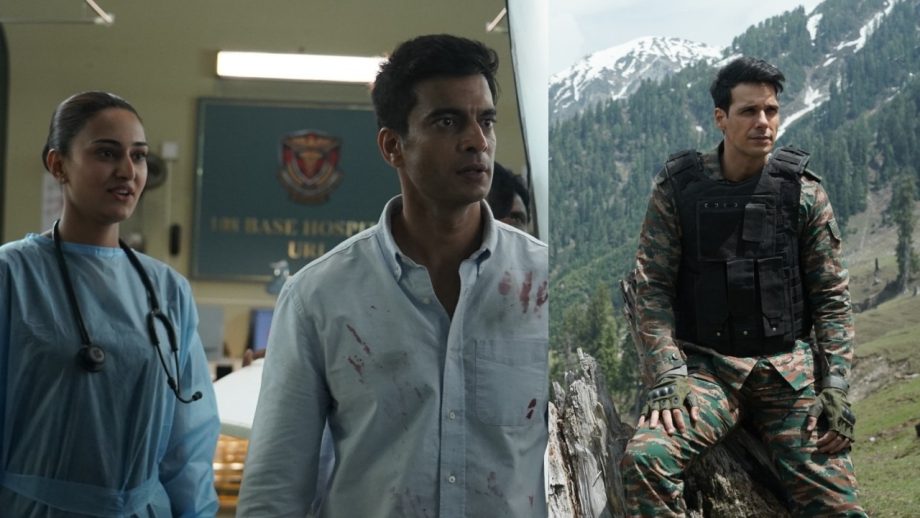
Under the banner of Epic Company, Samar Khan has brought television viewers a high-stakes military medical drama on a massive scale: 108 Base Hospital URI, airing on Colors TV and JioHotstar.
In an exclusive interview with IWMBuzz.com, Samar Khan opens up about the inspiration behind the show, the logistical hurdles of shooting, and his vision for finite storytelling on television.
What inspired Epic Company to explore such a unique show blending an army and hospital setting—a space rarely tackled on Indian television?
I personally come from a background where I have done a lot of work around the armed forces, including directing the film Shaurya. As a company, we have produced projects like Rakshak, Operation Mars, and documentaries on Kargil and the Indian Air Force (Safed Sagar). We have always dabbled heavily in the military space.
This specific idea came from my friend, Chandni Arya, who had developed a story centred around Army doctors. When she brought it to us, I genuinely felt it was an unexplored world. We decided to develop the narrative further and took it to Colors TV. A lot of credit goes to the network for backing the concept and believing in it. While many producers want to break the mould, it takes real courage from a broadcaster’s point of view to execute it. As a team, we brought it all together.
Colors TV has taken a bold step forward, and I hope its success encourages this network and others to do more. Finite series running for 30, 40, or 50 episodes are the way forward.
Why did you opt to bring this concept to television rather than OTT?
Every show comes with its own destiny. Sameer Gogate from Colors TV believed in the vision and put his money where his mouth is, so it naturally found its home on Colors TV. Beyond that, we have reached an era where the line between TV and OTT content is increasingly blurred.
What was the most challenging part of the production process?
Every stage brought its own distinct challenges—it would be unfair to single out just one.
Writing: Crafting weekly episodic cases that kept the audience hooked while ensuring the narrative arc stayed strong was crucial. Credit goes to Chandni and the writing team for building compelling cases.
Production & Authenticity: Shooting outdoors in Kashmir as well as in Mumbai while maintaining absolute authenticity—from military protocols and emotional nuances to accurate medical procedures—required constant effort.
It was demanding, but equally rewarding for the entire team. The actors were thrilled to wear the uniform and step into these roles.
This was particularly challenging because the format was fresh, it was for a new medium, and we had to make enough noise for the market to take notice.
What were the biggest financial and logistical trade-offs in mounting a show of this scale for TV?
Having produced OTT content in the military domain previously, our experience as a company made navigating the logistics slightly smoother. However, television budgets are generally tighter than OTT. The team at Colors TV extended themselves to provide a generous budget, ensuring we didn’t compromise on scale—whether for outdoor sequences or internal hospital scenes. We specifically chose to shoot in Naigaon because we didn’t want a standard four-walled set as our hospital; we needed a structure that genuinely mimicked Kashmir’s architecture. We even shot through the monsoons to get it right.
What shift in perspective do you hope this show brings to viewers?
It is the story of a soldier who is trained to save lives while also being trained to take them. They are combat-ready soldiers who are also fully qualified doctors. I hope audiences watch this show and recognise the tough, selfless lives Army doctors lead. People are used to seeing combat zones and espionage on screen, but our goal is to highlight Army doctors in a different light—so that whenever someone sees an Army doctor, they treat them with an extra layer of respect.
The show launched during a phase when television ratings (TRPs) were paused. How has that impacted you?
Naturally, we would have liked to see the traditional ratings. However, today we rely heavily on social media chatter and digital viewing metrics that weren’t available in the traditional TRP era.
With JioHotstar’s massive audience base, more people are discovering the show online. The initial response has been very encouraging—there is a positive buzz in the market, great feedback for the actors, and strong social media engagement. It has been a solid start, though we hope the rating system resumes soon.
Do you feel finite series like this pave the way for more genre-based storytelling on TV?
Absolutely. Colors TV has taken a bold step forward, and I hope its success encourages this network and others to do more. Finite series running for 30, 40, or 50 episodes are the way forward. There are so many creators who want to tell tightly knit stories in a limited format, and I hope 108 Base Hospital URI opens those doors.
Having created content across diverse formats, where does this show stand in your personal journey?
It ranks right up there. Designing a high-scale show for a weekend television slot was a tough task, but I never differentiate between my projects—each one is special. This was particularly challenging because the format was fresh, it was for a new medium, and we had to make enough noise for the market to take notice.
This is your first major television production. Can we expect more TV projects from you?
Yes, I would love to do more. As long as we have a great platform to tell a compelling story, we are happy to bring it to life—whether that is on OTT, film, or television. Good stories deserve to be told regardless of the medium.
