



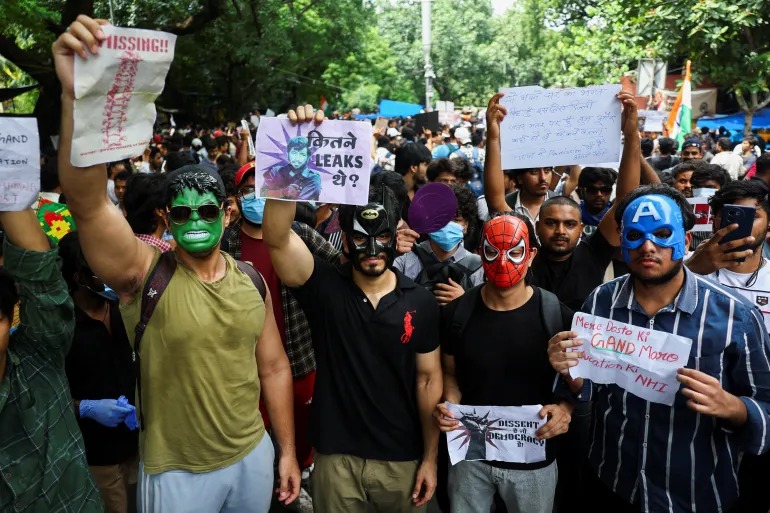
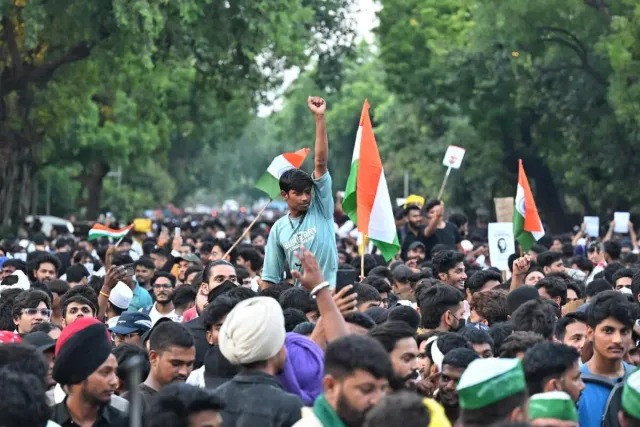
For a generation that is constantly being analysed, labelled, and judged, Gen Z has one clear message: they want to be understood before they are defined. Whether it is the way they express themselves, question conventional beliefs, choose unconventional paths, or speak up about what matters to them, today’s youth is challenging traditional ideas of how they are expected to think and behave. Often called rebellious, impatient, or too opinionated, Gen Z is slowly changing the conversation around individuality, authenticity, and self-expression.
The recent wave of conversations around young voices has once again brought attention to how Gen Z sees itself versus how the world often sees them. For some, they are a generation that questions too much; for others, they are a generation that refuses to silently accept things that do not make sense to them. But perhaps what gets missed in these conversations is that this generation is not looking to be perfect. They are trying to figure things out, make mistakes, learn, and find their own identity along the way.
Interestingly, this shift is also visible in the kind of characters audiences connect with today. The most talked-about characters are no longer always the ones who are morally perfect or have everything figured out. Characters like Kabir Singh and Animal became national conversations not because everyone agreed with them, but because they made people feel something. They were debated, criticised, defended, and analysed. They were flawed, sometimes difficult to understand, but they felt human. And that is perhaps why audiences continue to be drawn towards characters who are complicated rather than characters who are simply good or bad.
This is the space where Yeh Fitoor Tera finds its connection. The show explores young characters who are still discovering themselves and dealing with their own emotional battles. Jeet is not written as someone who has all the answers. He has his own scars, his own intensity, and his own way of looking at the world. In many ways, that makes him relatable to a generation that is constantly trying to balance who they are with who society expects them to be.
The college setting adds another layer to this conversation. For today’s youth, college is not just about classes, friendships, and first love. It is where people discover their opinions, build their identities, experience relationships, and sometimes question the beliefs they grew up with. Soumya’s journey of entering a co-ed college for the first time reflects the nervousness and excitement of stepping into an unfamiliar world, while Jeet’s journey reflects the emotional complexities that often remain hidden behind confidence.
Maybe that is why stories around imperfect characters are finding more acceptance today. Young audiences do not necessarily want characters who are always right; they want characters who feel real. They want stories that acknowledge confusion, vulnerability, mistakes, and growth. At a time when Gen Z is asking to be heard beyond labels, Yeh Fitoor Tera taps into a larger sentiment that is shaping today’s conversations: everyone has a story behind the person the world sees.
