


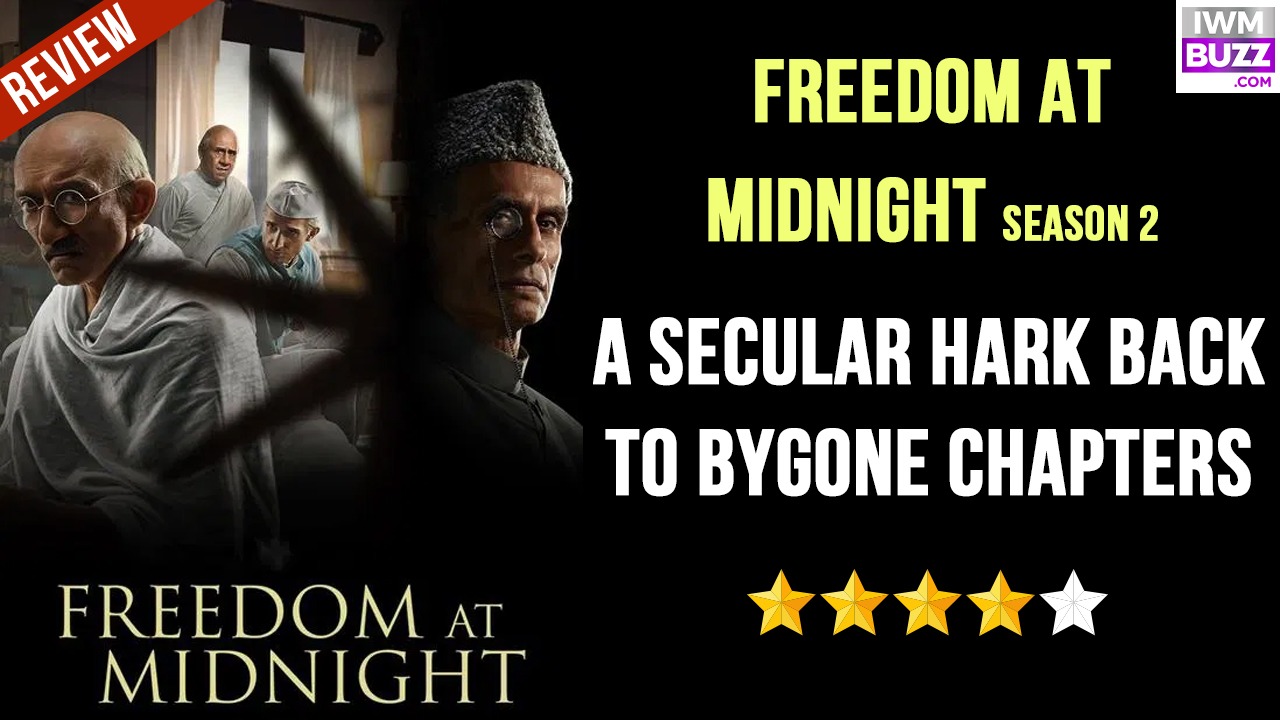
Heard the phrase “let the bygones be bygones,” typically when it comes to a nation like ours, where netizens breathe and dream politics, for it is the backbone of the country—bygones become the roots, and at every passing annal, revisiting shall be inevitable, for somewhere we all know our history makes us. The country remains immune to its own history; some pages are yet to be read, some are manipulated, and some have been completely distorted to suit our own conveniences. It is 2026, and as you watch the series, you note that Mahatma Gandhi says the changes made back then will cost the nation and its people for years to come. Certainly, why do we need such a series, to know what’s in there in the pages, even though not in its full-fledged portrayal, it helps us know the pain, the atrocities, the political roots and more.
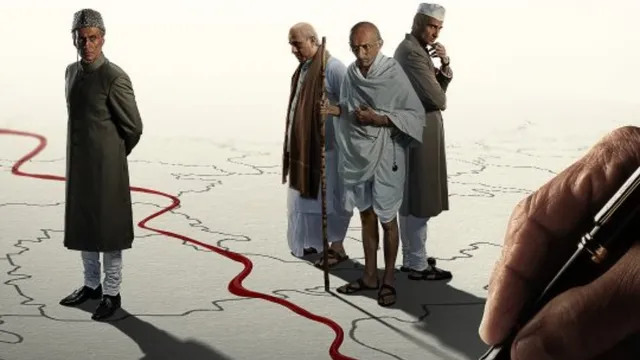
Nikhil Advani put up a very secular version in the series—in such delicate political affairs, with the wings shifting in current scenarios, one could apparently and easily take sides. Advani drifted away from the notions and gave a picture with neutral clarity. We loved the setting, and the series also adds authentic footage to maximize relevance.
Another aspect that we saw in the series was how and why Gandhi became vilified. It tails from this last fast. Gandhi said, “My fast should not be considered a political move in any sense of the term. It is in obedience to the peremptory call of conscience and duty,” per an article by The Wire. However, the series shows us that humans and sentiments go hand in hand. His efforts to bring harmony between Muslims and Hindus got vilified by Hindu nationalists. This followed his assassination by Godse. The series unveils the emotions of the people back then. The series also shows that Nehru’s ‘idea of India’ was never well received in the past. In a recent episode of The Wire Talks, historian Aditya Mukherjee said, “Nehru gets targeted because he embodied the core idea of India, which was forged during the freedom struggle: secularism, democracy, anti-imperialism, social justice, and scientific temper.”
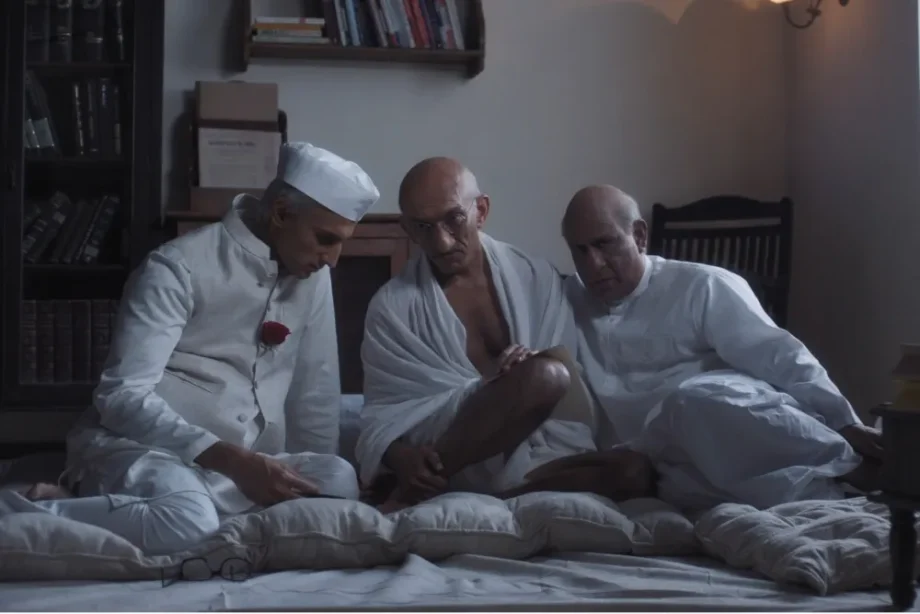
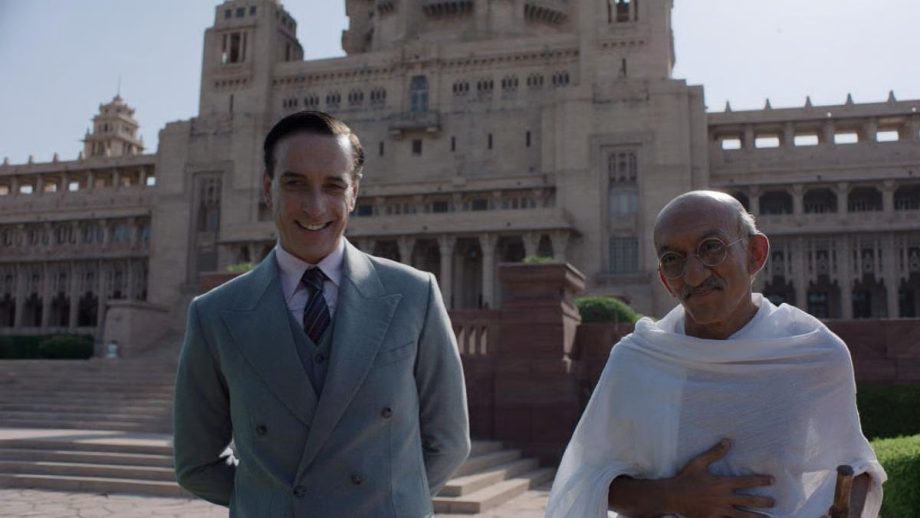
Performances deliver the hook of the haunts. It is intricate to play characters from the past—especially if they are mostly political and hold ground in a nation like ours, India. In season 2, Arif Zakaria (Muhammad Ali Jinnah) heralds the narrative like no other. Jinnah was the fallen angel. He was acclaimed as the “Ambassador of Hindu Muslim Unity” by Sarojini Naidu, but his power-mongering led him to become what he never set out to be. He became a communalist, and even today, he is dragged in every now and then for everything that goes wrong in the country. Arif Zakaria breathes all of it into the character who died on 11th September, 1948. Sidhant Gupta (Jawaharlal Nehru) too maintains the composure we have learnt about him in history. Rajendra Chawla as Sardar Patel, Chirag Vohra as Mahatma Gandhi, Luke McGibney as Lord Mountbatten, and others make the series an immersing revist of the past.
Extremism—and selective memory
As you finish the series, you learn that extremism, in any form, thrives on selective memory. In an era where polarisation often masquerades as patriotism, Freedom At Midnight Season 2 feels necessary. The series shows how ideological rigidity narrows empathy and how easily sentiments harden into violence. What’s more, the series exposes the very dangers of absolutism—how political ambition, religious fervour, unchecked and wounded pride can break a nation’s conscience.
Watch it on Sony LIV.
IWMBuzz rates it 4/5 stars.
