


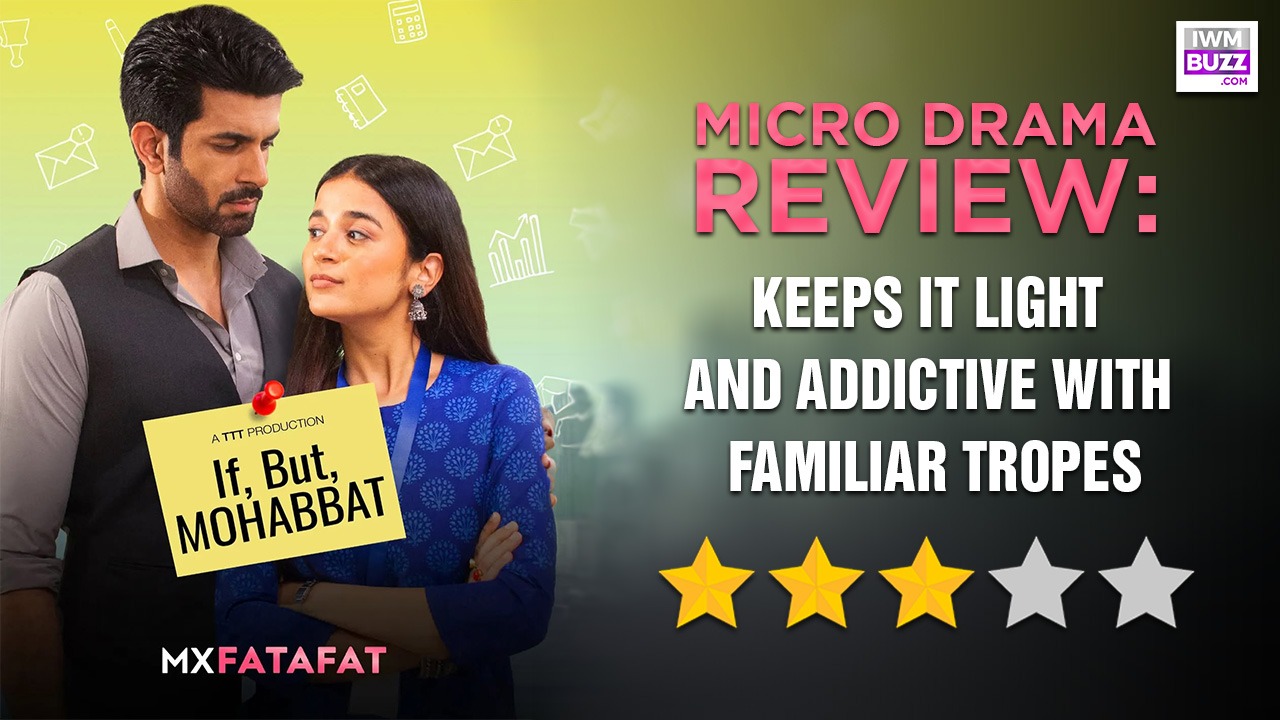
The show builds its core around a long-distance relationship that suddenly shifts into a workplace dynamic, giving it a mix of emotional nostalgia and present-day awkwardness.
The story follows Prajakta, played by Anusha Mani, who has spent four years holding onto a relationship built through chats and memories. When she finally comes face-to-face with her partner, played by Namik Paul, the situation flips—he is now a CEO, and she enters as an intern in the same company. This power shift becomes the main tension point, though the show doesn’t go too deep into it yet.
Their reunion avoids cliché perfection and instead shows a messy, human moment. Prajakta meets him in a vulnerable state, where his guarded personality breaks slightly. This is where the show tries to add emotional depth, showing that behind the confident CEO is someone still confused about love and relationships.
As the story moves forward, misunderstandings and unresolved feelings drive the narrative. Prajakta attempts to clear things out, but the show quickly jumps into a romantic beat where emotions take over logic. This sudden shift might feel rushed, especially for viewers expecting a more layered build-up.
What works strongly for the show is its format and pacing. Being a short-form vertical series, it is designed for quick consumption—and it succeeds there. In fact, some viewers online say the entire series feels “addictive” and easy to finish in one go, thanks to its light tone and engaging moments.
Namik Paul stands out with his screen presence, fitting well into the CEO role while also showing a softer side when needed. His performance adds credibility to otherwise familiar scenes. Anusha Mani keeps her character relatable and grounded, though the writing doesn’t always give her enough depth to explore her emotional arc fully. The supporting cast, including Riya Kulkarni and Vishakha Pandey, contributes to the narrative but remains underutilized.
The CEO-intern romance, drunken vulnerability, and sudden emotional pull are all overused tropes. Instead of reinventing them, the show follows a safe route. The emotional transitions also feel uneven—some moments are stretched for effect, while others happen too quickly to leave an impact.
Another limitation is the lack of deeper conflict. While the setup is interesting, the storytelling stays on the surface. It focuses more on creating cute, watchable moments rather than building strong emotional stakes.
Still, the show knows its audience. It doesn’t try to be heavy or complex—it aims to be a feel-good, slightly dramatic romantic watch, and in that sense, it delivers. It’s the kind of content you watch for comfort rather than intensity.
Overall, If, But, Mohabbat works as a quick romantic escape with decent performances and engaging moments, but it doesn’t go beyond what we’ve already seen in the genre.
IWMBuzz Rating: 3/5
