


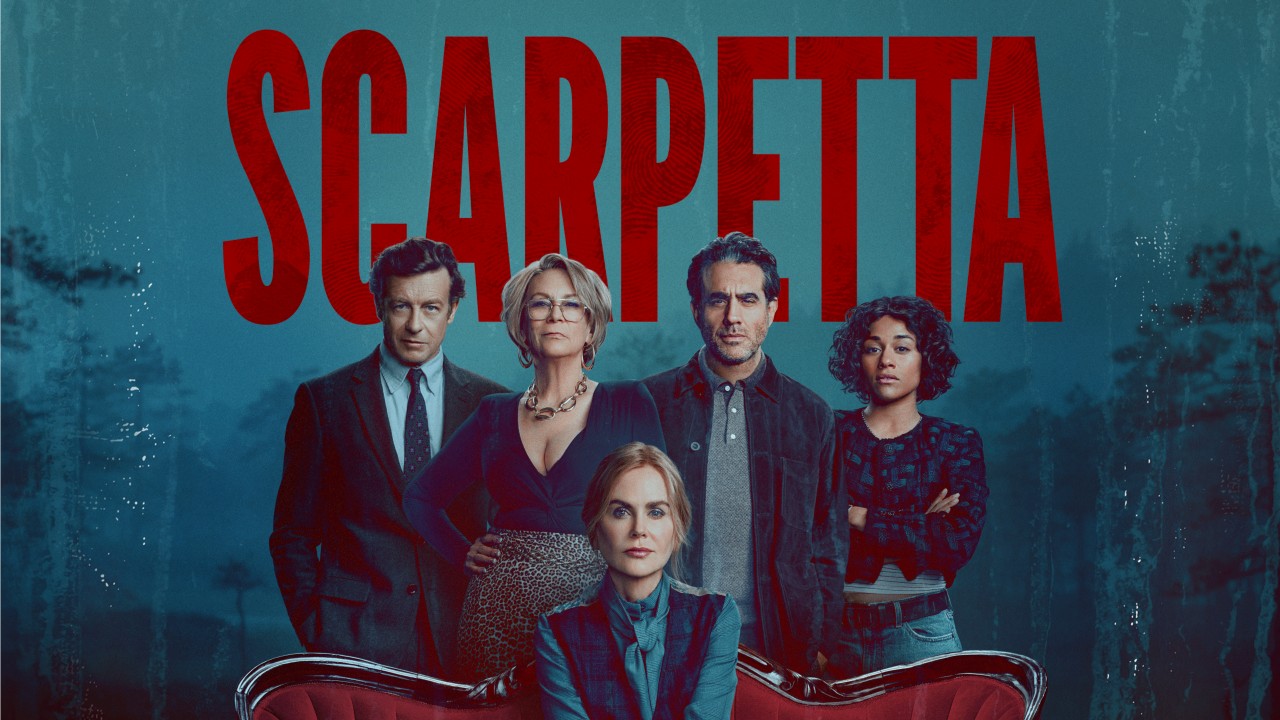
The appeal of Scarpetta goes beyond her role as a forensic pathologist; it lies in her deeply human struggle to make sense of a world categorised by loss, violence, and ambiguity. Scarpetta herself is never reduced to just a cold technician; she’s a woman who feels the weight of everybody on her table. Her meticulous behaviour is a shield, an act of care, and sometimes a burden that isolates her from the world.
Each case is a confrontation with mortality—her own, and that of the victims she seeks justice for. Scarpetta’s philosophy is shaped by this constant proximity to death: she believes that truth, however painful, is the only gift she can offer those who can no longer speak for themselves.
Scarpetta is achingly human; she develops interpersonal connections which create difficulties for her. Her protective nature toward her niece, Lucy, leads to both satisfaction and emotional distress as Lucy leads her tumultuous adult life. It gets undeniably dualistic for her. The relationship between her and Benton Wesley develops through her feelings of desire and her experiences of losing him, which show that she can experience love, yet she works through forensic procedures of autopsies and evidence collection. The conflict between her and her sister, Dorothy, brings to light deep-seated family issues that remain unresolved despite her professional achievements.
The evolution of Scarpetta’s character follows technological advancements that change crime investigation methods throughout the series. But through it all, she persists, driven by a stubborn hope: that even in a world riddled with darkness, dignity and justice are worth fighting for. In this, Scarpetta reflects our own struggles to find meaning and compassion in the aftermath of catastrophes.
Watch it on Amazon Prime Video.
