


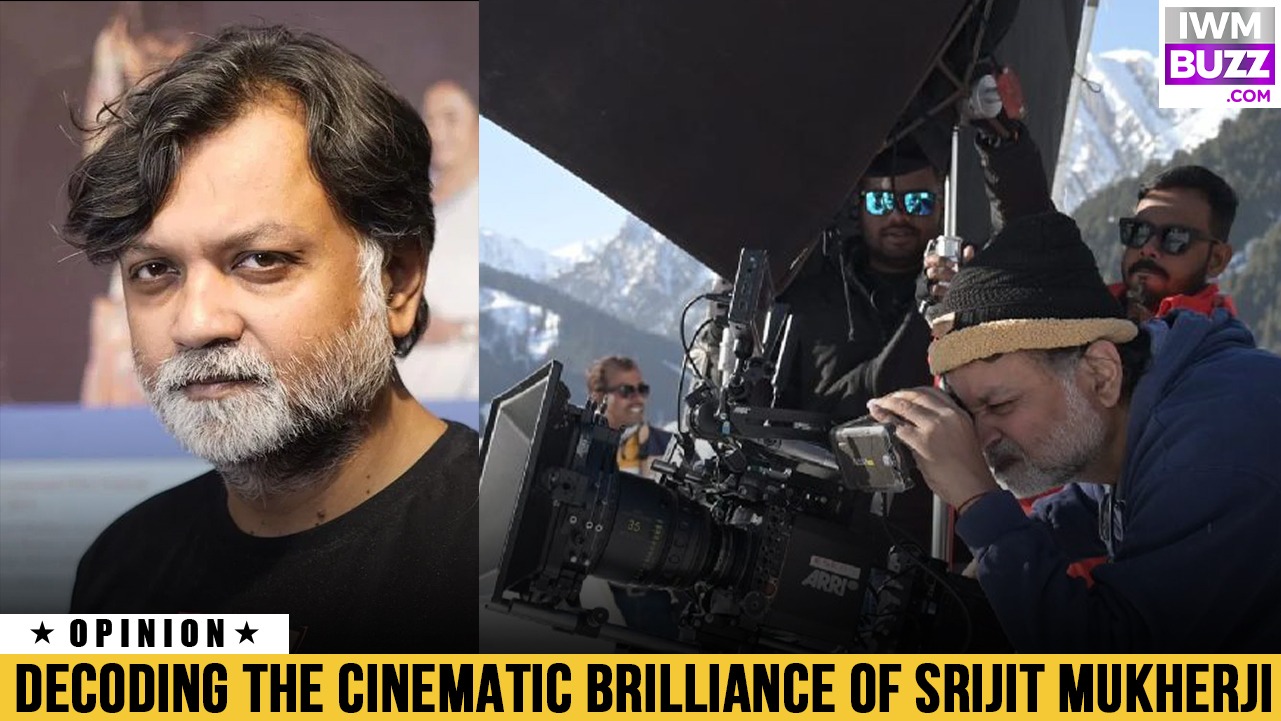
As the dusk settled, with the sky blooming with stars, Autograph made its space. 2010 blossomed as a shapeshifter in Bangla cinema, with Srijit Mukherji debuting as a director. I recall steering to the theatre along with my family to watch the film. What remains evident today is the yearning to watch another piece like that, which shall invoke audacity in aspiring minds. –Someone who spends life in solitude often goes cascaded in the tunes of ‘amake amar moto thakte dao,’ with visitors coming back and forth, taunting us with the song, while we sit back and cherish the momentum.
The director exudes confidence. And confidence often intimidates people, and so do his films, therefore. Not all his movies worked well, however, but his presence could not be denied. All of him and his movies were here to stay, and stay for good, whether it became a matter of chatter or an ignition of celebration that they had ushered in a significant change in Bangla cinema.
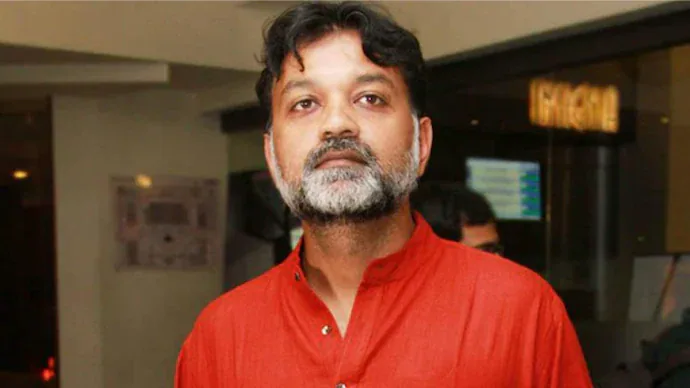
That’s that, here we bring 5 of his films that hit a different chord in the brain.
Autograph(2010) stays in hearts, promising eternity. Baishe Srabon (2011)—The film explores the thin line between creativity and madness; the narrative questions whether art heals or exposes deeper wounds. It reflects on how darkness and genius often coexist, making creation both a refuge and a revelation of the human psyche. Jaatishwaar (2014)—Srijit Mukherji made the film as a tribute to the cult song of the same name by Kabir Suman. The story spins around Hensman Anthony, a 19th-century Bengali Kabiyal poet and singer who reincarnated as Kushal Hazra in contemporary Bengal. Hemlock Society(2012)—A school that teaches suicide aspirants how to commit suicide successfully. It came with a sequel, Killbill Society(2025). Chotushkone (2014)—The story revolves around four directors who join hands to make a film, each telling a brief story that connects the others through death.
His films are known to stir conversations. These films arrived at a time when Bangla cinema needed a certain jolt. And it definitely did strike the gold—if not every time, well, most of the time. And that’s why his cinema keeps us curious, and it always will.
