


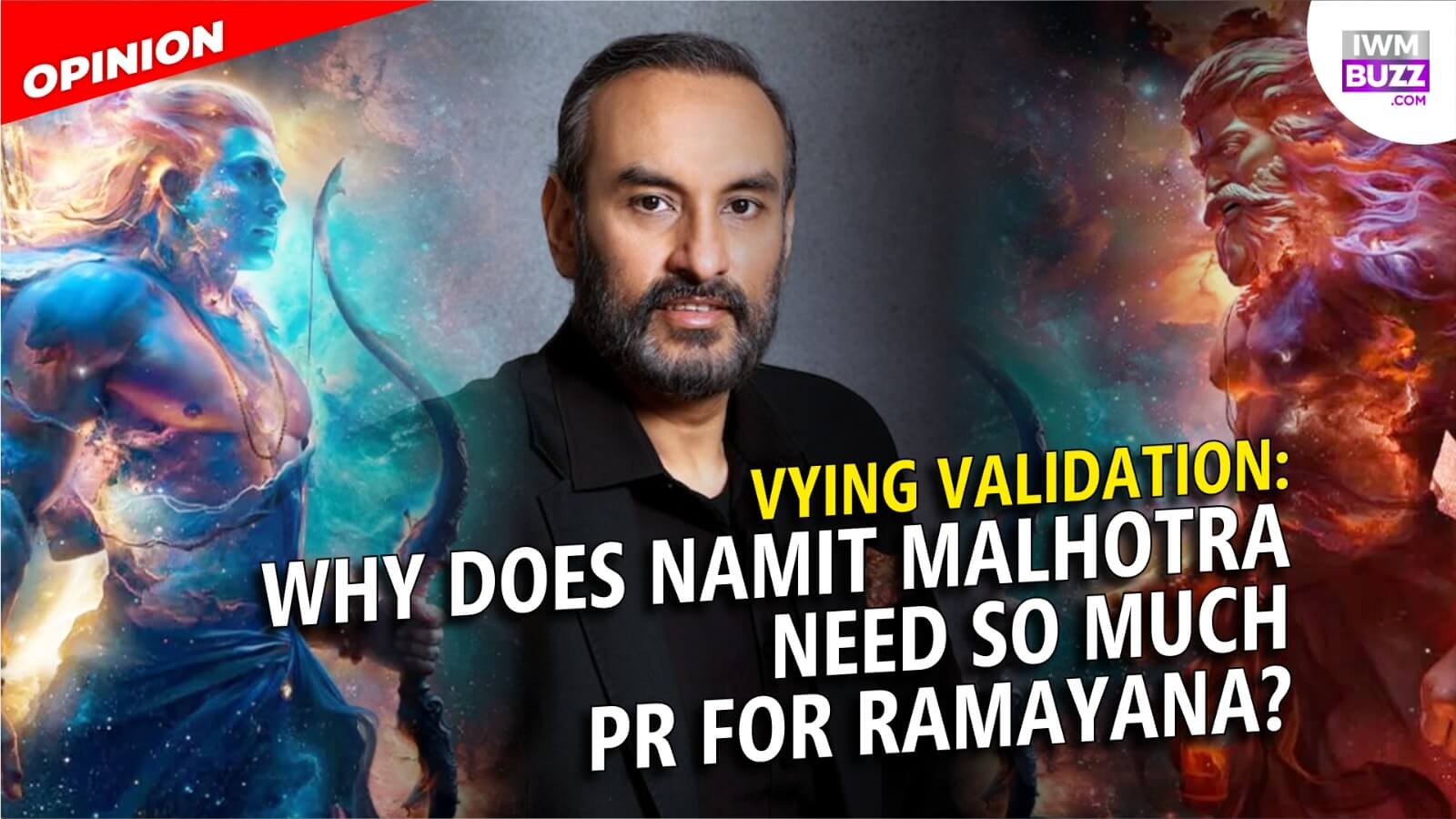
Ramayana, starring Ranbir Kapoor, Sai Pallavi, and Yash in the lead roles, is one of the biggest, most anticipated films of 2026. The ambitious adaptation of the ancient Sanskrit epic is grand, rich, and visually more impactful than ever before. While audiences have seen Ramayana on screen before, this time the Namit Malhotra-produced film aims not only to re-teach the lessons of duty, love, devotion, righteousness, and ‘Dharma’ but to deliver these experiences through a majestic spectacle.
From large-scale, avant-garde VFX to a powerful story, a majestic vision, fine detailing, and bringing together a powerhouse of talents like Ranbir, Sai, Yash, and others, the Nitesh Tiwari-directed film has everything that commands attention. This makes it clear that Namit has poured his years of hard work, passion, and resources into building a cinematic marvel—from focusing on new-age visual storytelling and fine technicians to his work on every small part, the dedication and hard work behind this project cannot be questioned. To turn this dream project into reality, Namit has reportedly spent an estimated ₹4000 crore for both parts.
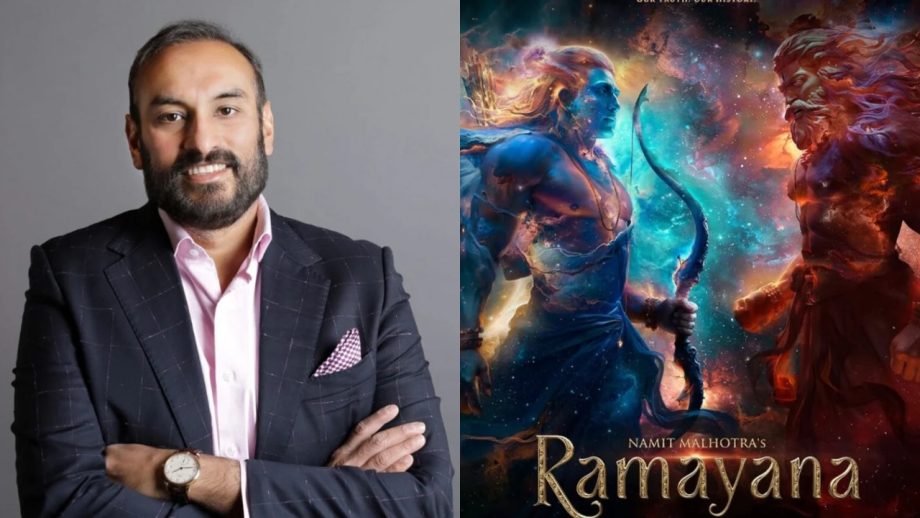
But what’s perplexing is the constant PR push and the repeated tall claims about the film Ramayana. To be honest, this may actually be working against the film. Specifically, cinema is emotion for the audience, especially for something as sacred as Ramayana, which connects strongly with viewers when they experience it firsthand rather than being told repeatedly that it will be grand and marvelous.
In addition, when filmmakers make tall claims ahead of the release, the film sets unrealistic expectations. For that matter, when the teaser was released, it did not receive the expected response despite the hype. One big reason behind that could be too much PR and tall claims. We feel excessive promotion creates a lens of over-analysis and extreme judgment, making it difficult for the film to meet expectations. So the bigger the claims you make, the more viewers look for shortcomings rather than immerse themselves in the experience.
What we think of as a sacred film, like Ramayana, does not need unnecessary push or validation before release. A project like this, with grand VFX, narration, vision, and starcast, is enough to create buzz and enthusiasm among viewers. Namit Malhotra, as a filmmaker, has a vision, and he undoubtedly gave his all to this project, so now the best thing to do is simply let the art speak for itself. There isn’t much need for excessive PR for a grand film like Ramayana.
Keep reading IWMBuzz.com.
