


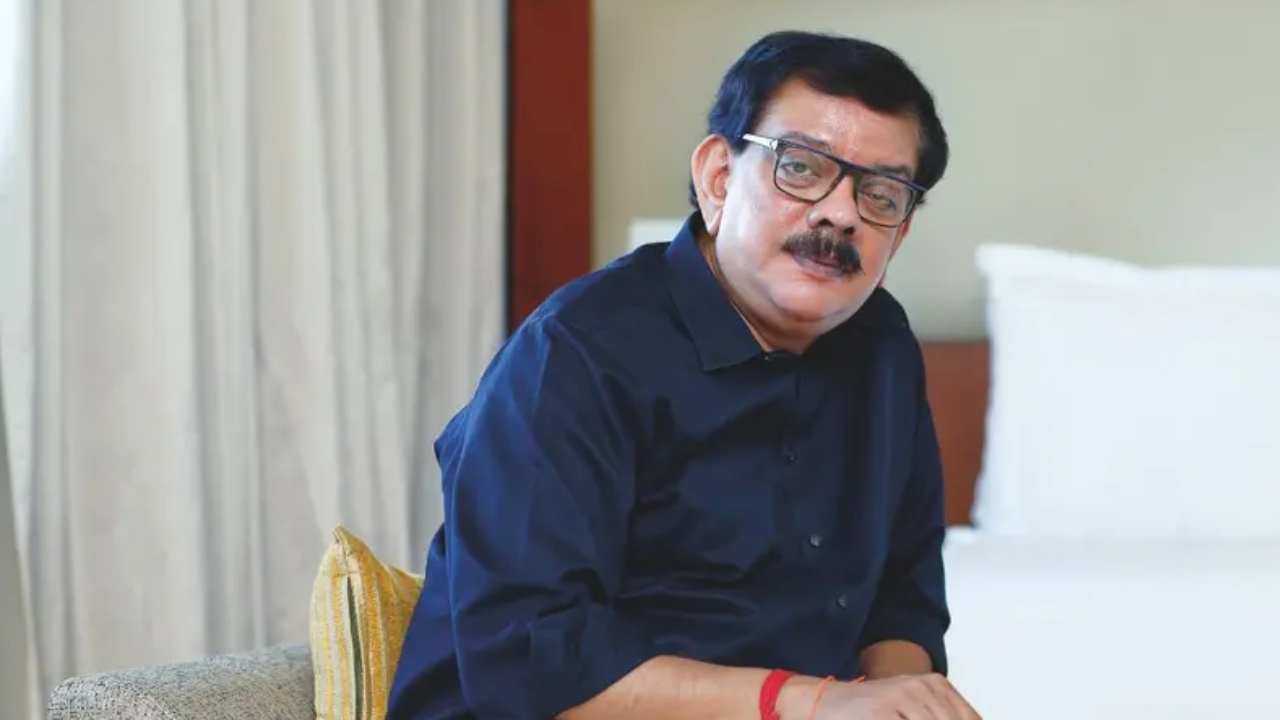
The Indian film industry recognises Priyadarshan as its most prolific director, yet he struggles to overcome the view that comedy is considered an inferior artistic form compared to serious movies. He has created numerous successful comedies that have brought joy to audiences throughout India, yet he states his displeasure because people do not show the same level of respect for comedy directors as they do for directors of artistic films. Priyadarshan feels a strong personal attachment to this belief because he shared that his parents initially saw his commercial projects as unimportant work, which drove him to show them his artistic skills.
The artistic vision of Kanchivaram (2008) shows its historical depiction of silk weavers through its Tamil period drama. The film demonstrated Priyadarshan’s directorial skills through his artistic work, which pushed him to explore new paths that transcended his conventional filmmaking methods. Kanchivaram received extensive praise, including three National Film Awards, which proved his ability to create serious movies that won Best Film and Best Director awards. The historical drama Kaala Paani (1996) demonstrated his ability to portray intense non-comedic content through his comprehensive portrayal of the Indian independence movement in the Andaman Islands.
Priyadarshan maintains his view that comedy represents the most difficult form of cinematic art despite his success with experimental films. He often describes making people laugh as a form of “social service,” which demonstrates his understanding of the artistic and intellectual demands required to create successful comedy. Priyadarshan has established himself as an adaptable artist by selecting South Indian experimental films and Bollywood commercial films, which he uses to achieve his artistic goals while maintaining his popularity with audiences throughout his successful career.
