


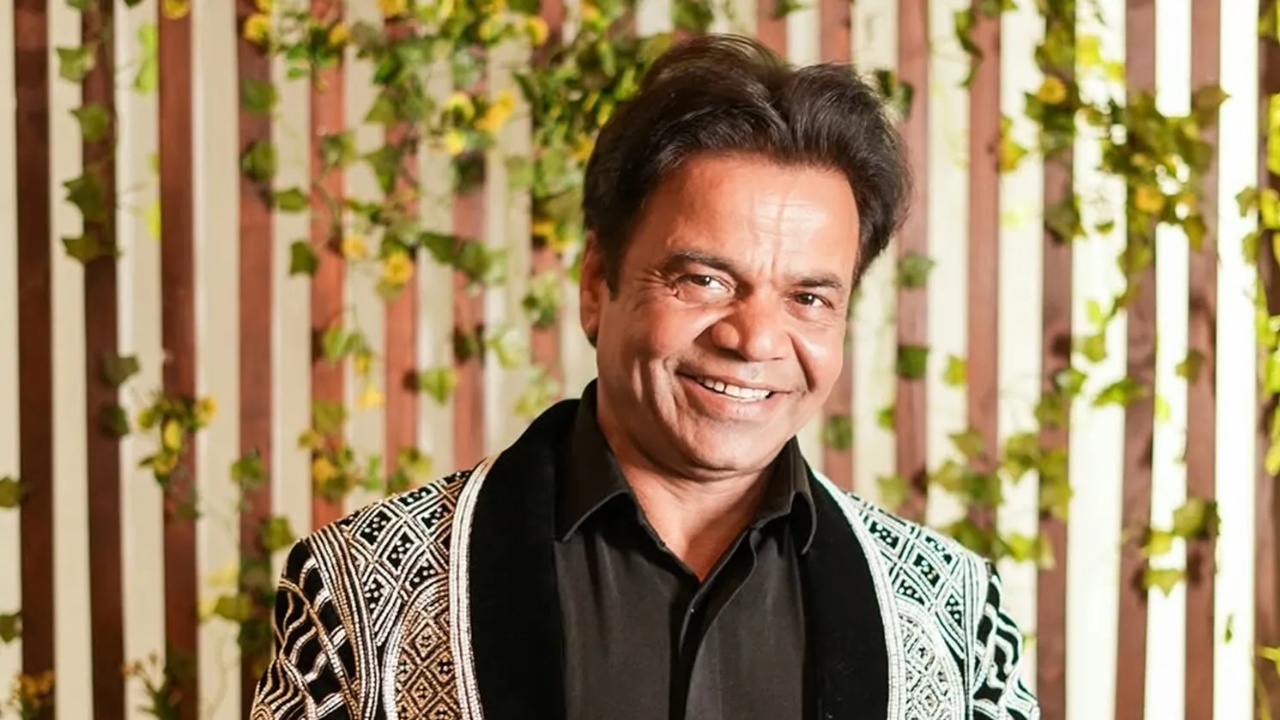
On Thursday, October 15, 2026, the Supreme Court referred Bollywood actor Rajpal Yadav’s cheque bounce matter for mediation after acknowledging that the actor and his wife had deposited 2 crore through the court registry.
A bench of Chief Justice of India (CJI) Surya Kant and Justice Joymalya Bagchi also directed the trial court to release Yadav’s passport so he can travel abroad for professional commitments, subject to conditions the court imposes.
During the hearing, the Chief Justice proposed resolving the dispute amicably through mediation and said he would appoint a sole mediator. Under the suggestion, both parties will have to listen to the mediator, and further proceedings can be held in person or online.
Rajpal Yadav’s lawyer said the actor needs to travel to Canada for work commitments, and that he has sold his ancestral property to raise the 2 crore deposit.
The actor’s lawyer also urged the Supreme Court to hear the plea on merit, including the Yadav conviction and the three-month prison sentence. But the Supreme Court encouraged a settlement.
On October 7, 2026, the court received Rs 1.15 crore from Rajpal Yadav in the cheque-bounce case. The remaining ₹85 lakh was deposited on October 13, bringing the total to ₹2 crore, as noted during the Thursday hearing.
The legal dispute dates back to 2010, when Yadav took Rs 5 crore from M/S Murli Projects Pvt Ltd for his directorial debut, Ata Pata Laapata. The company alleged that the actor’s seven cheques issued for repayment were dishonored.
According to the complainant, in 2012, Yadav, his wife, and their company signed an agreement to repay approximately Rs 11 crore, including interest.
In July 2026, the Delhi High Court upheld Yadav’s appeal and reduced his sentence to three months in prison. The court also ordered him to pay over Rs 1 crore in each of the seven cases and gave him time to appeal to a higher court.
The cases stem from a 2018 magisterial court verdict that convicted Yadav and his wife, Radha Rajpal Yadav. A sessions court confirmed their convictions in 2019.
