


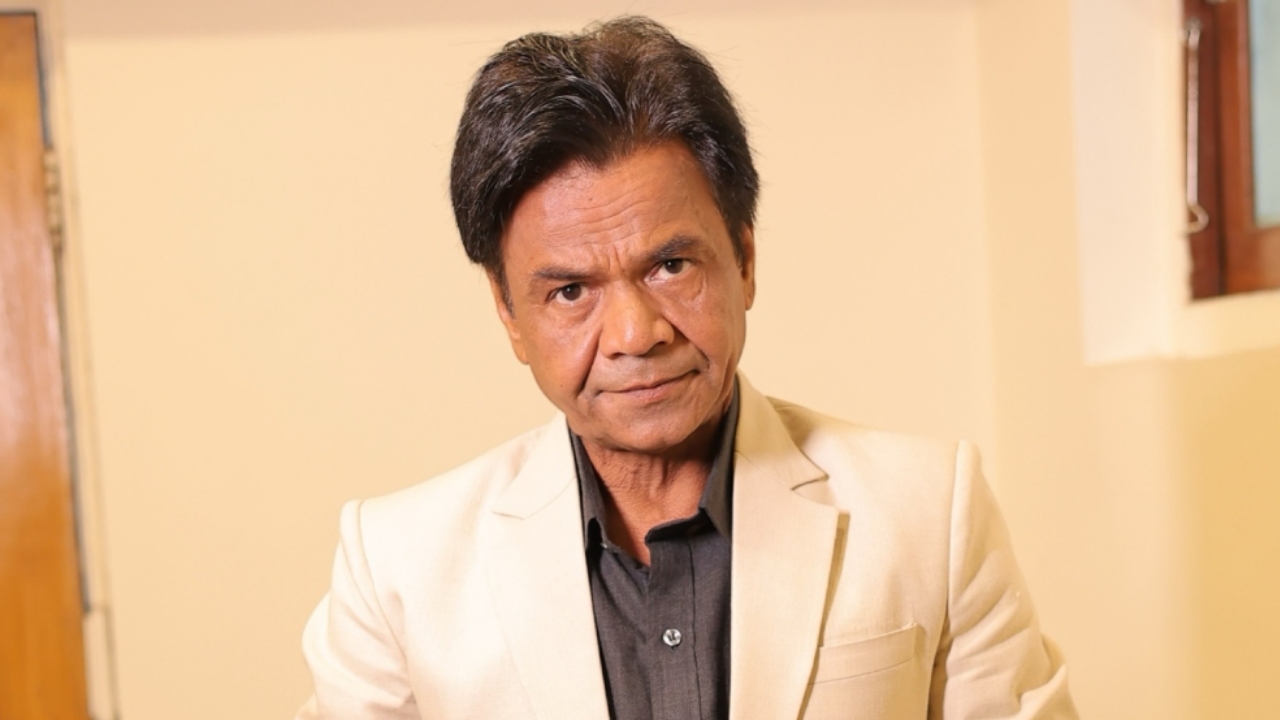
Justice Swarana Kanta Sharma dismissed the actor’s revision petitions, observing that despite being granted several opportunities, he repeatedly failed to honor the undertakings he had given to the court.
The case stems from the financing of Rajpal Yadav’s 2012 directorial debut, Ata Pata Laapata. During the film’s production, Murli Projects Private Limited provided financial assistance of approximately ₹5 crore under an agreement covering the film’s production and music rights. However, after the film suffered heavy losses at the box office, the repayment cheques issued by Rajpal Yadav were allegedly dishonored for insufficient funds. This led Murli Projects to file multiple complaints under Section 138 of the Negotiable Instruments Act, which addresses cheque dishonor.
The legal battle has been ongoing for more than a decade. In May 2024, a Delhi sessions court convicted Rajpal Yadav in cheque-bounce cases and sentenced him to six months’ imprisonment.
The Delhi High Court later suspended the sentence after the actor assured the court that he would settle the dues through mediation. During the proceedings, Rajpal Yadav reportedly paid a substantial amount and sought additional time to clear the remaining liability, which has grown to nearly ₹9 crore, including interest and other dues.
However, media reports suggest the High Court found that the actor repeatedly failed to fulfill the commitments he had made before the court. Justice Swarana Kanta Sharma observed that Rajpal Yadav had been granted multiple extensions and sufficient opportunities to resolve the dispute but did not comply with the settlement terms. The court therefore refused to interfere with the conviction and upheld the sentence, noting that judicial indulgence could not continue indefinitely.
The case has remained in the spotlight not only because of Rajpal Yadav’s stature in Bollywood but also because it is directly linked to Ata Pata Laapata. This social satire marked his directorial debut. Although the film featured actors including Om Puri and Ashutosh Rana, it failed commercially, and the financial fallout eventually led to one of the industry’s most prolonged cheque-bounce litigations.
