


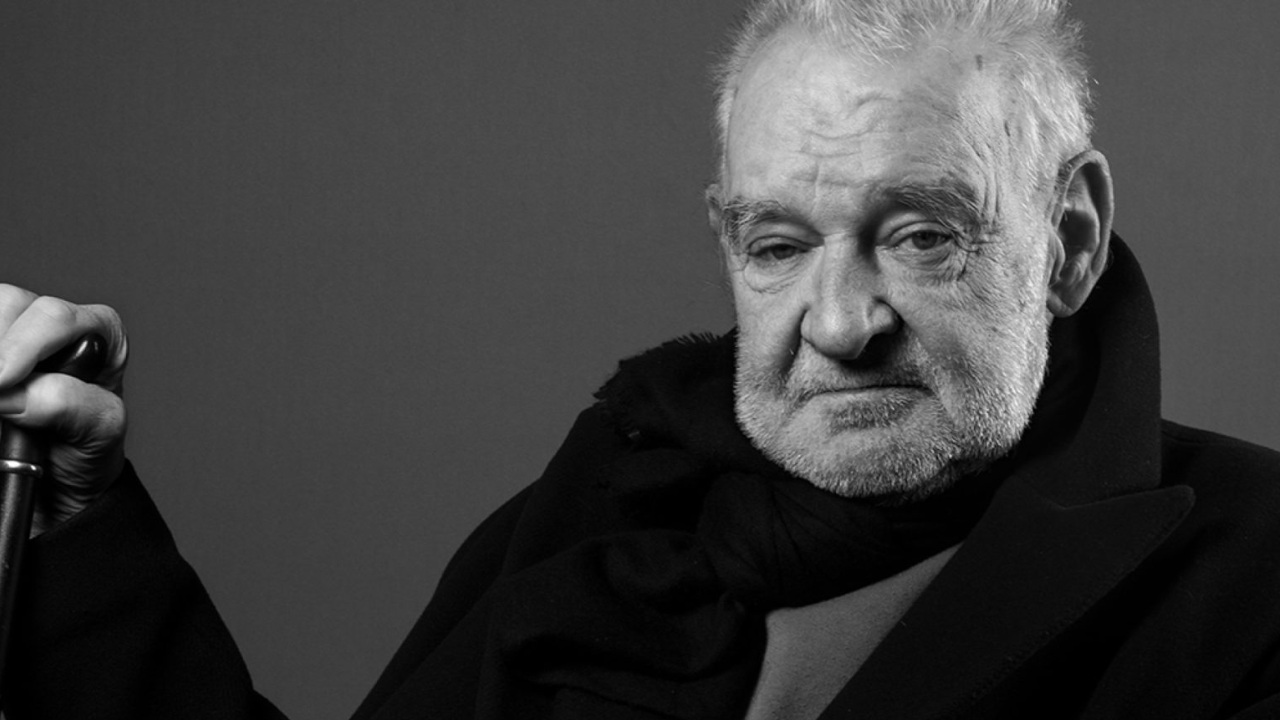
Béla Tarr, the iconic Hungarian director, died on January 6, 2026, in Budapest from a long-term illness. He was 70 years old. His death was a huge loss to cinema, particularly to the “slow cinema” movement, where he was one of its first proponents.
Tarr’s masterpieces combined stunning black-and-white aesthetics with remarkably long, continuous takes that forced the audience to engage in deep contemplation about life and people. Social dramas were the starting point of his career, but later he became a radical philosopher who employed such means as scant dialogue and no traditional narrative at all in delivering his works.
His most remarkable films include the epic “Sátántangó” (1994)—seven hours long, often regarded as one of the best movies ever made, which the audience is tireless to refer to; “Werckmeister Harmonies” (2000), a disturbing metaphor of the end of the world; and “The Turin Horse” (2011), his last movie that competed for the Silver Bear Grand Jury Prize at the Berlin International Film Festival and in the end was awarded.
Tarr was often very close to writer László Krasznahorkai (the 2025 Nobel laureate), and editor Ágnes Hranitzky, forming a trio that came up with the most prominent European films of the last few decades together.
Tarr, who had ceased feature filmmaking in 2011, then turned his attention to teaching and communication. He established Film.factory, an international film school in Sarajevo, and was an outspoken opponent of the Hungarian regime. His subsequent works such as the powerful performance documentary “Missing People” (2019) were indicative of his social issues’ constant engagement.
Béla Tarr’s legacy is still alive through his films, his impact on directors around the globe, and his relentless search for cinematic truth.
