


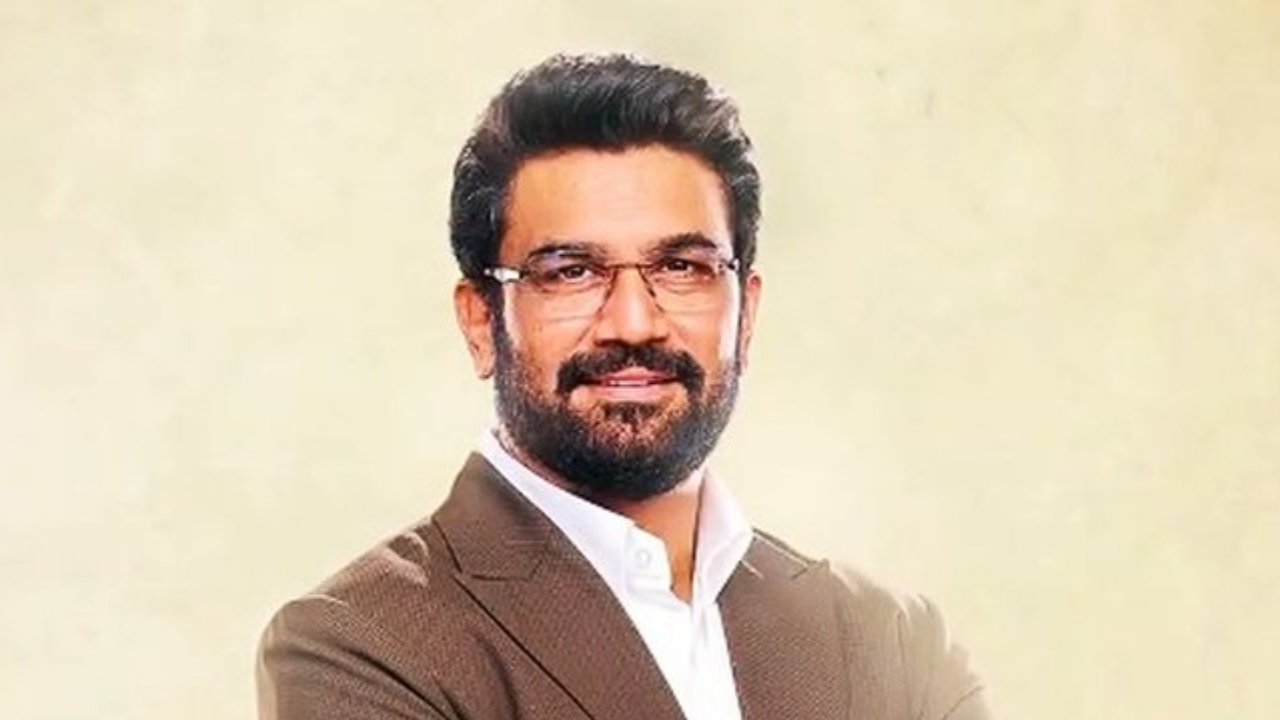
TV actor Sharad Kelkar is winning hearts in his new show Tumm Se Tumm Tak alongside Niharika Chouksey. With Ramayana Part 1 hitting theaters, Kelkar has lent his powerful, booming baritone to the Hindi dubbing of Yash’s formidable character, Ravana. As audiences praise Sharad for his vocal performance, the actor opened up in an interview about dubbing different characters, facing disappointments, and more.
For those who don’t know, Sharad had a severe stammer, which he overcame, and became India’s most sought-after voice artist. He famously shot to global fame for voicing Prabhas in the historic Baahubali franchise.
Bagging Ramayana Part 1
Reflecting on landing the opportunity to voice superstar Yash in Nitesh Tiwari’s Ramayana Part 1, the TV actor credited his work on the animated series The Legend of Hanuman, where he also portrays Lankesh. “I credit bagging the dubbing role for Ravana to The Legend of Hanuman,” the actor stated, noting that the creators of the film likely recognized his ability to balance majesty and menace through that show.
Sharad Kelkar on the Multi-Layered Mind of Ravana
The actor shared that, in his stubbornness, Ravana sacrificed his whole family and everyone, from his brother and son to the whole Kingdom that was dear to him.
Speaking further, Sharad also shared that in Ramayana Part 1, he got to know more about Ravana, especially his family, sister, and the people around him.
Unhappy With Dubbing Industry
Despite his immense success, Kelkar confessed to a lingering sense of professional dissatisfaction with his acting career, admitting he feels underutilized relative to the sheer range of roles he can perform.
Sharad shared that, as an actor, he isn’t getting what he wants, and he doesn’t understand why.
When asked if he wished not to do dubbing after Bahubali, Sharad said he is unhappy with the dubbing industry. He further revealed, “I am not unhappy with the industry itself, but rather with how many producers view the craft of voice acting.” Kelkar expressed disappointment that many filmmakers still treat voice work as an afterthought, mistakenly assuming that anyone can step into a booth and carry a main character’s emotional weight.
