


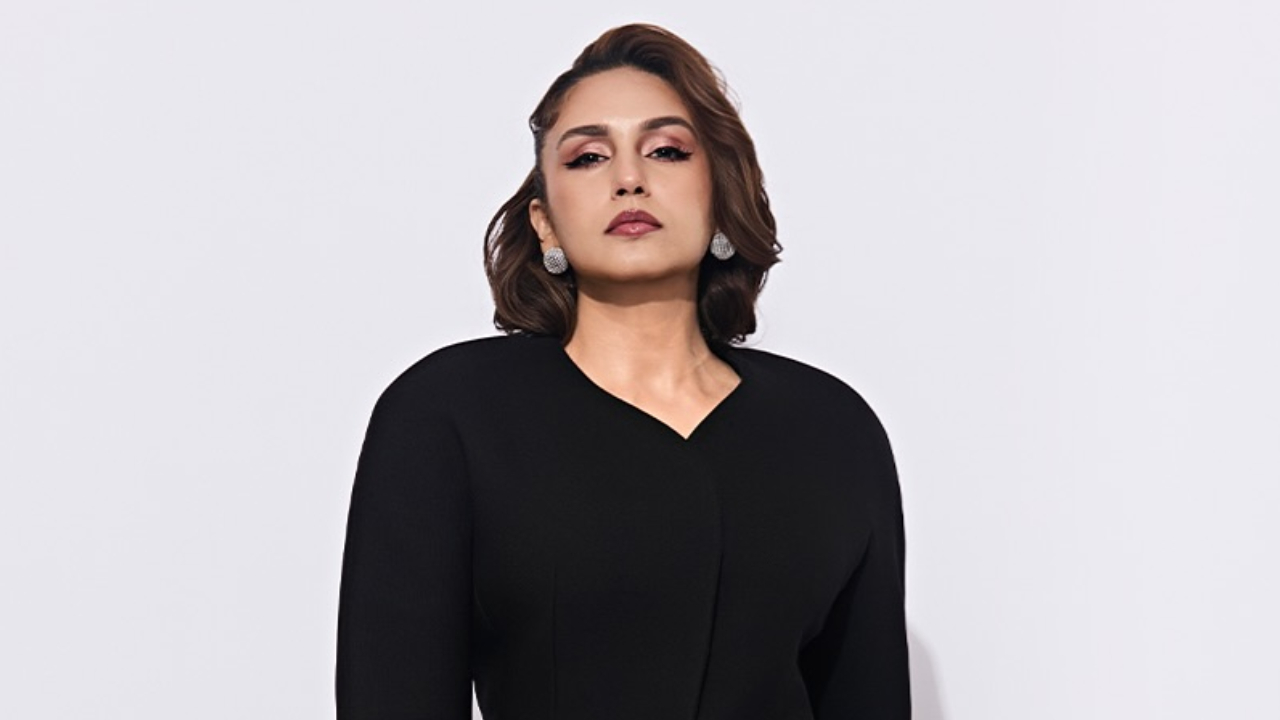
Huma Quereshi is on a high after earning rave reviews for her performance in Baby Do Die Do. In a chat with IWMBuzz, Huma speaks about her decision to become a producer for Baby Do Die Do and her working experience in Toxic.

In Baby Do Die Do, you play a deaf-and-mute contract killer. How did you train for an intense emotional and physical performance without dialogue?
This was probably one of the most demanding roles I’ve ever played because I couldn’t rely on words. Every emotion had to come through my eyes, my body language, my breathing, even the way I walked. I worked closely with experts to understand sign language and the lived experiences of the deaf community, but beyond the technical aspects, it was about finding Baby’s emotional world. She speaks very little, but she’s constantly communicating. As an actor, that’s both terrifying and incredibly liberating.
How do your sibling dynamics with Saqib Saleem translate into a professional producer-actor relationship? Who usually gets the final say when there’s a creative disagreement?
We definitely don’t leave our sibling dynamic at home. We argue, we debate, we disagree but it’s always because we both care deeply about the film. The good thing is there’s complete honesty between us. If one of us doesn’t like something, we’ll say it without sugar-coating it. Eventually, the film gets the final say. We ask ourselves what’s best for the story, and that’s usually how we resolve things.
Bollywood is witnessing a unique box-office moment with two female-led action films, Baby Do Die Do and Alpha, releasing together. How do you view this shift in the industry?
I think it’s a wonderful sign. For the longest time, people questioned whether women could lead action films or open films at the box office. Now audiences are simply looking for entertaining stories, regardless of who’s leading them. The more female-led films succeed, the more opportunities there will be for different kinds of stories. It’s not about competition—it’s about expanding what’s possible.
How challenging was shooting in Mumbai’s raw, cramped locations for Baby Do Die Do?
Very challenging, but also incredibly rewarding. We shot in real locations, and Mumbai has a character of its own. The narrow lanes, crowded streets and unpredictability added authenticity that you simply can’t recreate on a set. Sometimes it was physically exhausting, but those spaces became part of the film’s texture. They almost feel like another character in Baby’s journey.
Looking back from Gangs of Wasseypur (2012) to today, what has been the hardest part of refusing to follow the standard industry rules?
The hardest part is accepting that not everyone will understand your choices. There have been times when I could have taken the safer route, but I’ve always been drawn to stories that excite me, even if they seem unconventional. That path isn’t always easy, but it’s definitely more fulfilling. I think longevity comes from staying curious rather than trying to fit into a mould.
How has becoming a producer changed the way you read scripts or view directors now?
It has made me much more empathetic. Earlier, I would primarily think as an actor. Now I understand the practical challenges—budgets, schedules, logistics, creative compromises. Producing has given me a much bigger appreciation for what directors and the entire crew go through. It has definitely made me a more collaborative actor.
Was becoming a producer a conscious choice so that you could play parts that would probably not come to you otherwise?
Absolutely. I wasn’t becoming a producer just for the title. It was about creating opportunities for stories I genuinely believed in. Sometimes the roles you want to play simply don’t exist until someone decides to make them. Producing gives me the freedom to back characters that are layered, flawed and unconventional. Baby is a perfect example of that.
For Baby Do Die Do, you’ve reunited with director Nachiket Samant after Single Salma. Tell us about this creative partnership?
Nachiket has a very unique voice as a filmmaker. He’s fearless when it comes to trying something different, but he’s also extremely collaborative. We have built a level of trust over the years where we can challenge each other’s ideas without taking it personally. That creative honesty is rare, and I think it really helped us push Baby Do Die Do in unexpected directions.
From Maharani to Tarla, you have become a celebrated face on OTT. How do you think the streaming landscape has redefined stardom for actors?
Streaming has shifted the conversation from image to performance. Audiences today are willing to spend hours with a character if the storytelling is honest. That has opened doors for actors to explore more layered and complex roles. It’s a very exciting time because people are connecting with characters rather than just stars, and I think that’s healthy for the industry.
The recently released Ladies & Ladies teaser for Toxic has broken the internet. What can you tell us about the universe Geetu Mohandas has created, and how does your character fit into this grim gangster drama?
Geetu has created a world that feels incredibly immersive and cinematic. There’s a certain emotional depth beneath all the scale and intensity, and that’s what drew me to the project. I genuinely can’t reveal much about my character yet because that would spoil the experience, but I can say she’s an important part of this universe and audiences are in for quite a ride.
What was the energy like on set collaborating with such a massive, multi-lingual female ensemble in Toxic?
It was wonderful because everyone came from different industries and brought their own perspective to the set. Despite the different languages and backgrounds, cinema became our common language. There was a lot of mutual respect, a lot of warmth, and everyone was focused on telling the best story possible. It felt like a very enriching creative experience.
Keep reading IWMBuzz.com.
