


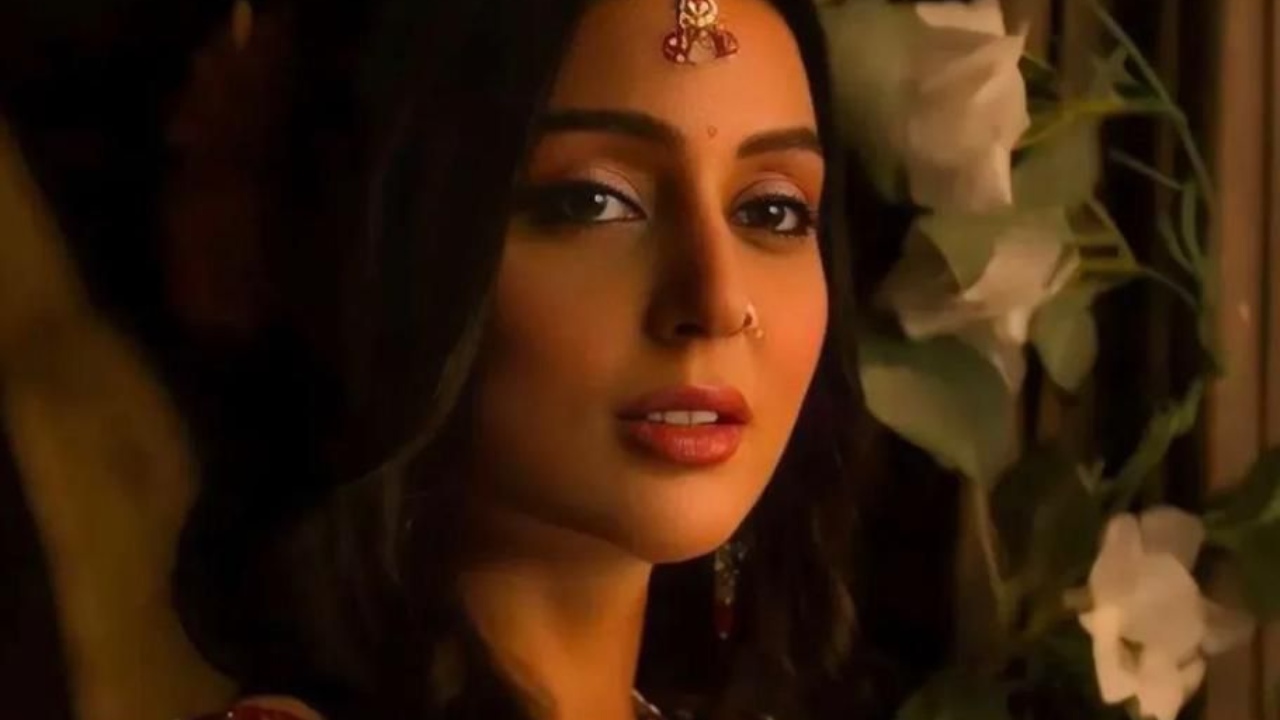
Indian mythology has always been a rich source of storytelling, but connecting ancient narratives with contemporary audiences requires more than grand sets and visual effects. It requires performers who can bring timeless characters and themes to life with authenticity, elegance, and emotional depth.
A new generation of actresses has helped bridge that gap, making mythology-inspired cinema feel aspirational rather than distant. Among them, Deepika Padukone, Sanskruti Jayana, and Kriti Sanon have emerged as defining faces of epic and mythological storytelling each bringing something irreplaceable to the screen.
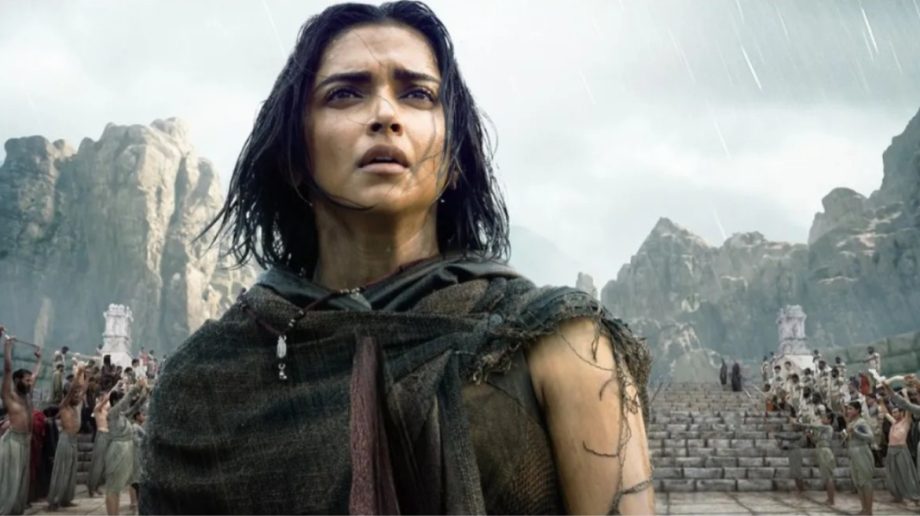
Deepika Padukone – Kalki 2898 AD
In Kalki 2898 AD, Deepika Padukone played Sumathi a pivotal role in a futuristic narrative deeply inspired by Indian mythology. Her character became the emotional anchor of a story that blended ancient prophecies with a bold, modern cinematic vision. Through a restrained yet quietly powerful performance, Deepika demonstrated that mythology’s most enduring themes sacrifice, hope, destiny don’t need period costumes to resonate. She proved that the ancient can feel urgently alive.
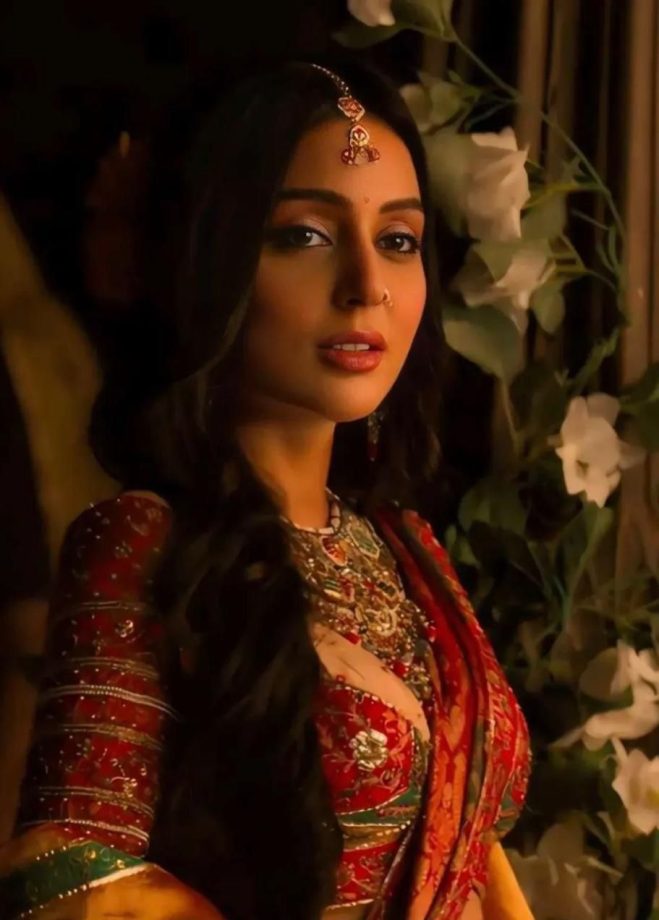
Sanskruti Jayana – Krishnavataram Part 1
In Krishnavataram Part 1, Sanskruti Jayana portrays Satyabhama one of the most celebrated and complex figures in Krishna lore. Where other mythological portrayals have reduced Satyabhama to devotion alone, Sanskruti brings her full dimensionality to the fore: her fire, her pride, and her love. It is a performance that doesn’t ask modern audiences to look back at mythology with reverence it invites them to recognize themselves within it. Sanskruti represents a younger generation of actors not just reimagining epic storytelling, but reclaiming it.
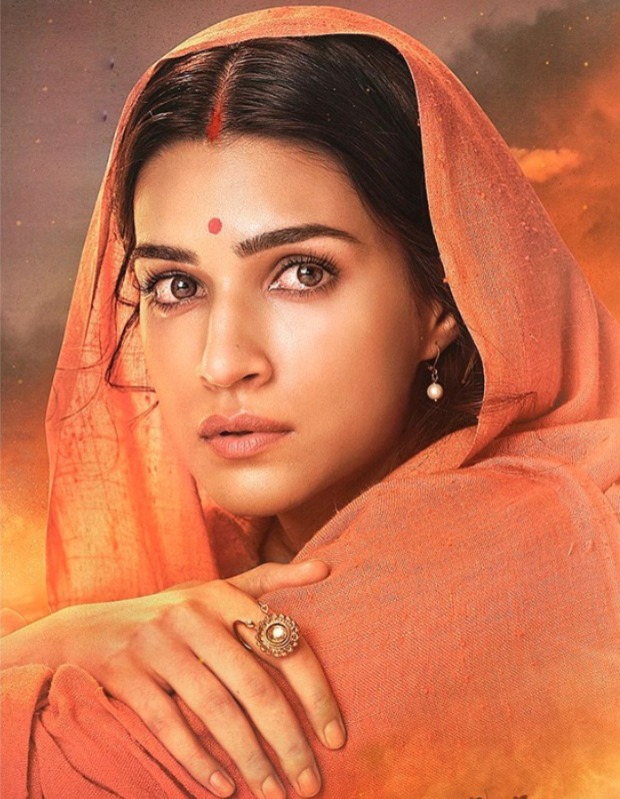
Kriti Sanon – Adipurush
In Adipurush, Kriti Sanon stepped into the role of Janaki — reimagining one of Indian mythology’s most beloved figures for a generation raised on contemporary cinema. Rather than leaning on the weight of the character’s iconic status, Kriti grounded her portrayal in compassion, resilience, and quiet inner strength. Her Sita felt neither distant nor decorative she was the moral heart of the film, the character through whose eyes the audience experienced the epic’s emotional truth.
What connects these actresses is not simply the scale of the projects they represent, but the way each has chosen to inhabit her role with intention, with intelligence, and with a clear-eyed understanding of what modern audiences need from ancient stories.
Mythology endures not because it is sacred, but because it is human. Deepika, Sanskruti, and Kriti understand this instinctively. Through their performances, they are helping shape a new era of Indian cinema one where the epics don’t belong only to the past, but continue to speak, evolve, and move us in the present. The stories remain the same. What changes is who tells them and how fearlessly they do.
