


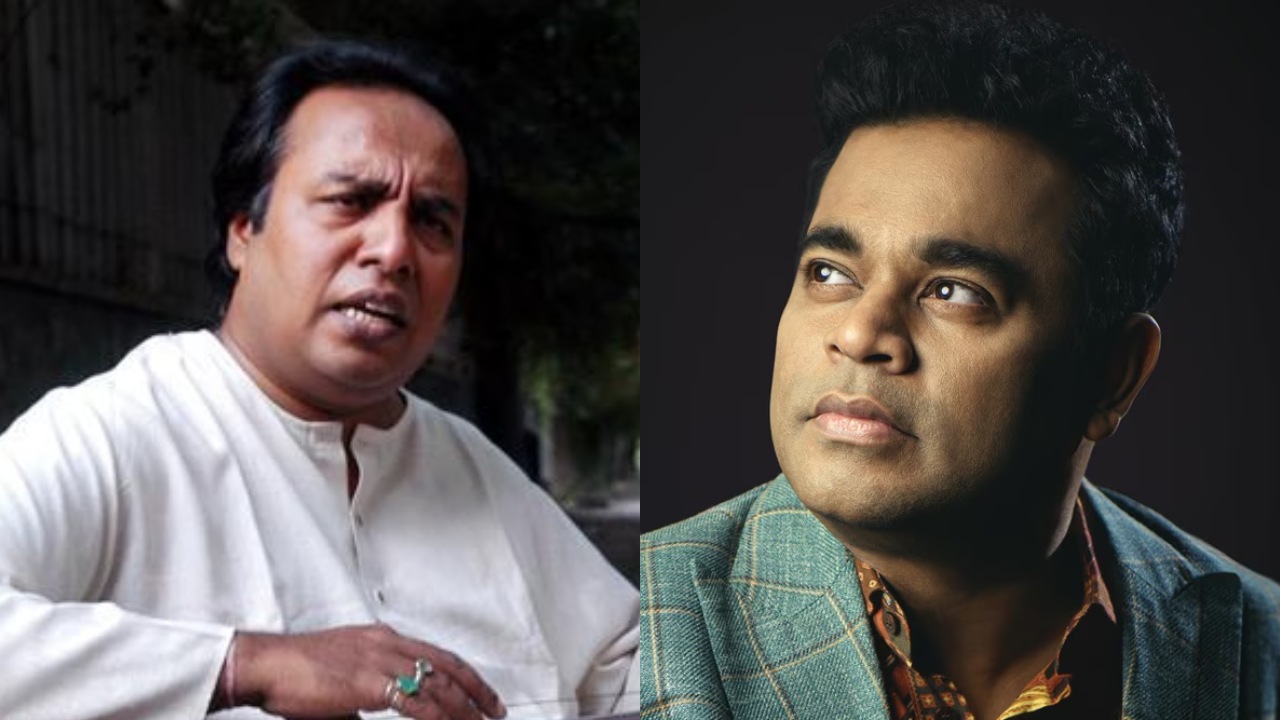
The Supreme Court is currently reviewing a copyright infringement case from the Delhi High Court, brought by Dhrupad vocalist Ustad Faiyaz Wasifuddin Dagar against music composer A.R. Rahman.
The dispute centres on the song “Veera Raja Veera” from the 2023 blockbuster Ponniyin Selvan II. Dagar alleges that Rahman’s composition copies the musical structure, beat, and rhythm of “Shiva Stuti,” a traditional piece composed and performed by his father, Ustad Nasir Faiyazuddin Dagar, and uncle, Ustad Nasir Zahiruddin Dagar, in the 1970s.
The legal proceeding experienced significant changes. The Delhi High Court single-judge bench found prima facie evidence of infringement, after which it ordered Rahman and the film producers to pay ₹2 crore and to change the song credits to recognise the Junior Dagar Brothers.
The Division Bench delivered its ruling in September 2024, reversing the earlier judgment and granting Rahman a victory. The court determined that “Shiva Stuti” exists within the Dagarvani oral tradition and that performance or recording methods do not confer automatic exclusive authorship rights for copyright protection.
The Padma Shri awardee now seeks to overturn this ruling, arguing for recognition of his family’s creative contribution to the traditional composition.
This case establishes a new precedent that will determine how Indian copyright law treats classical music originating from oral traditions and the guru-shishya parampara. The Supreme Court’s decision will determine how traditional artistic works are protected under contemporary intellectual property law.
The matter is expected to be heard in the coming months.
